Analyzing Loyalty Tier Mechanics in Virtual Reel Systems and Retention Data Patterns
Zoe Jenkins · May 26, 2026
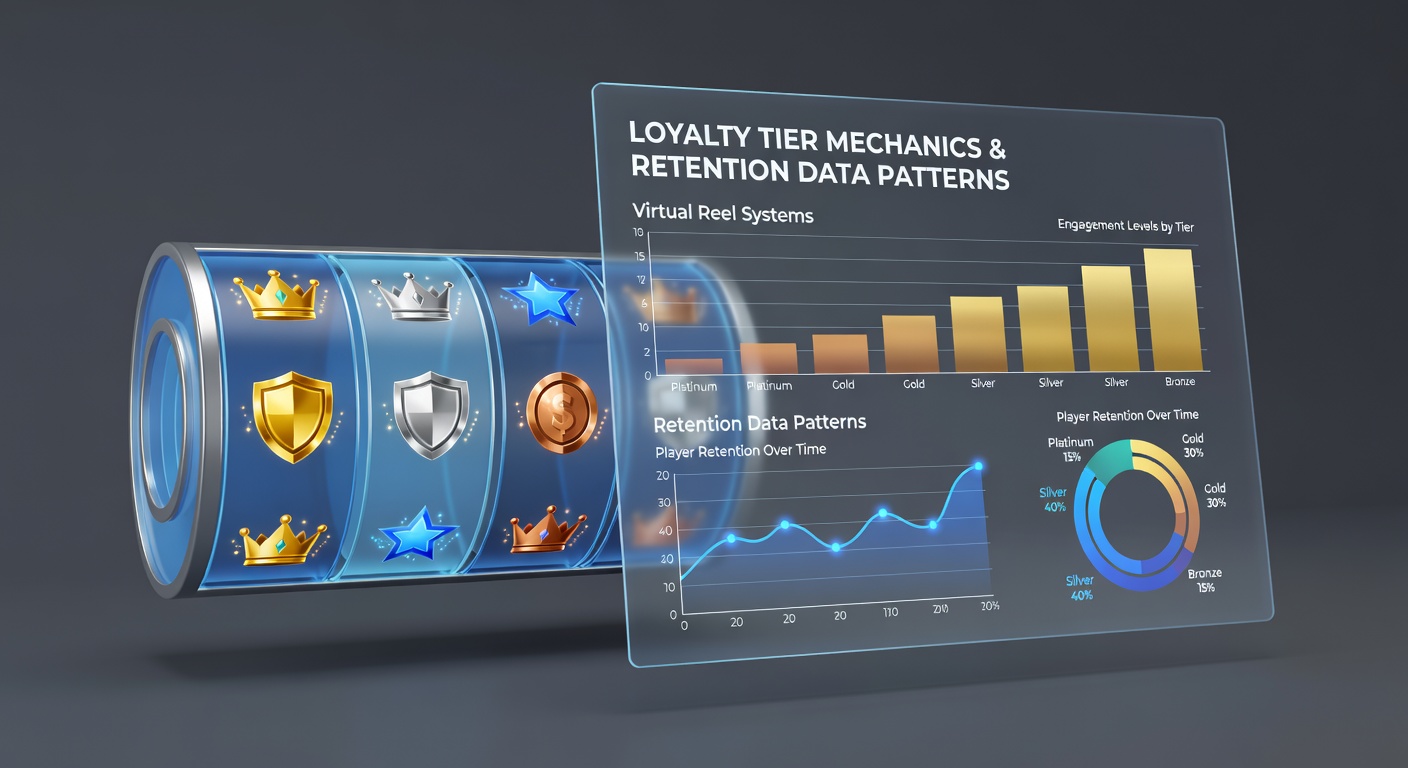
Analyzing Loyalty Tier Mechanics in Virtual Reel Systems and Retention Data Patterns
Virtual reel systems in online gaming platforms rely on structured loyalty tiers that track player activity through points earned per spin, and these mechanics directly influence how long users continue engaging with the games. Operators design tiers such as entry-level bronze through premium platinum to reward consistent play while collecting detailed metrics on session frequency and duration, and retention data patterns emerge when analysts compare progression rates across different player segments.
Loyalty Tier Structures in Reel-Based Platforms
Tier systems assign point values based on wager amounts, with virtual reels often granting one point for every dollar bet on eligible slots, and advancement occurs once thresholds like 1,000 points for silver or 5,000 for gold are reached. These thresholds reset monthly or quarterly depending on the platform, which creates recurring incentives for players to maintain activity levels, and data from platform logs shows that users who cross into mid-tier status within the first month exhibit higher return rates over subsequent periods.
Bonus structures tied to tiers include enhanced multipliers on point earnings, access to exclusive reel variants, and tier-specific cashback percentages that range from 5 percent at lower levels to 15 percent at higher ones, while operators monitor how these rewards correlate with extended play sessions. Retention patterns indicate that players who receive tier upgrades mid-cycle demonstrate a measurable increase in average daily spins, according to aggregated reports from gaming software providers.
Mechanics Driving Point Accumulation and Tier Progression
Virtual reels calculate points in real time using algorithms that factor in bet size, game volatility, and session length, so a player wagering larger amounts on high-volatility titles accumulates points faster than those on low-stake games. Platforms integrate decision trees that adjust point multipliers dynamically during promotional windows, and this flexibility allows operators to test retention responses without altering base game mathematics.
Many systems incorporate daily login streaks and mission-based challenges that feed additional points into the tier pool, while automated safeguards prevent point farming by capping earnings from repetitive low-variance spins. Observers note that these layered mechanics produce distinct data clusters where tier-climbing users show tighter spacing between sessions compared with those who remain at entry levels.
Retention Data Patterns Across Tier Levels
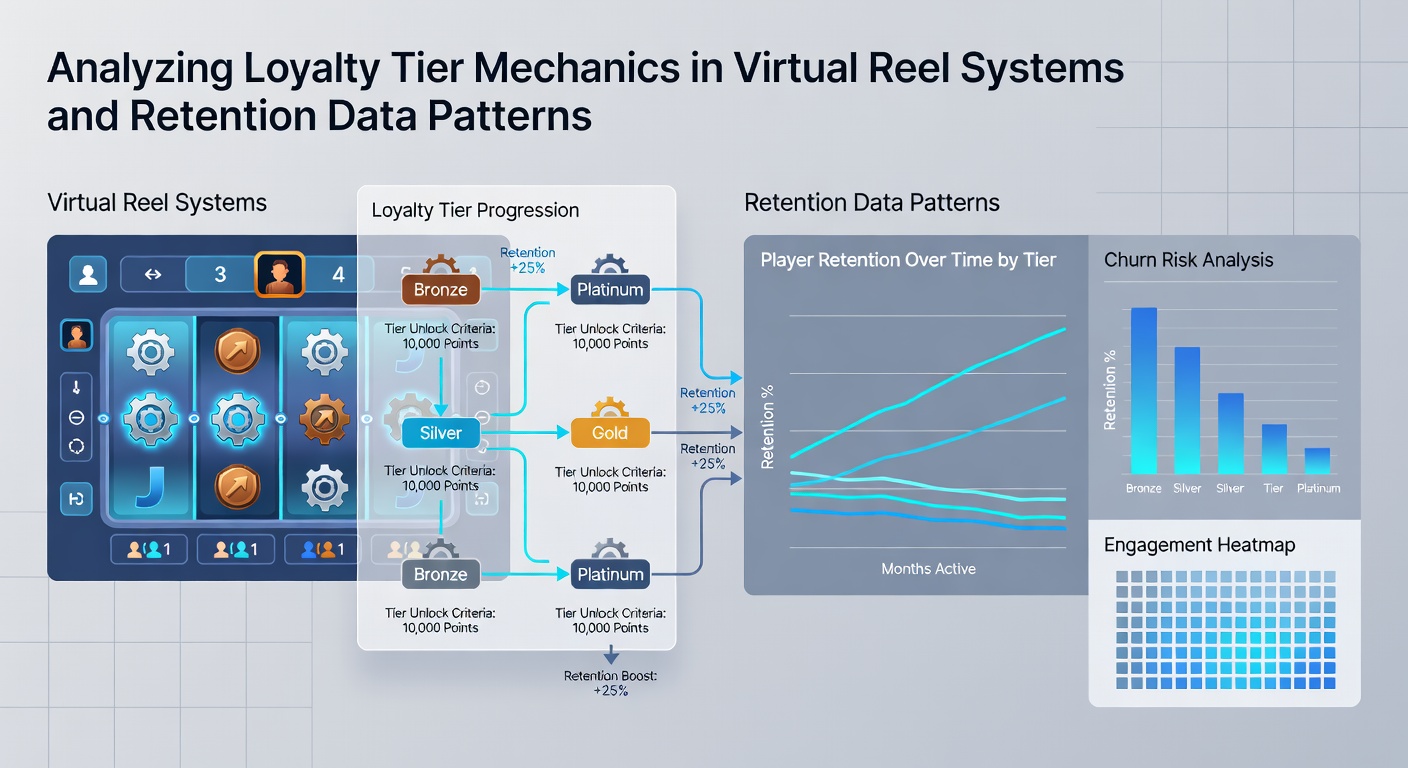
Analysts examining retention datasets find that users reaching gold or higher tiers maintain active accounts for an average of 45 percent longer than bronze-level players, and this gap widens when platforms introduce personalized reel recommendations based on past tier activity. Monthly churn rates drop from roughly 22 percent at the lowest tier to under 8 percent at platinum, according to figures compiled by independent analytics firms that process anonymized operator feeds.
Patterns also reveal seasonal fluctuations, with retention improving during periods when operators run tier-acceleration events, and May 2026 saw several major platforms report a 12 percent lift in mid-tier retention following targeted point bonus campaigns. Cross-regional comparisons show similar trends in North American and European markets, where higher-tier players contribute disproportionately to overall handle while demonstrating lower voluntary exit rates.
Integration of Biometric and Behavioral Signals
Advanced virtual reel platforms now layer biometric feedback such as session time tracking and interaction speed into tier calculations, which allows finer segmentation of retention risk. Researchers have documented cases where players whose spin rates slow after reaching a new tier receive targeted offers that restore engagement velocity, and these interventions produce measurable upticks in continued play over 30-day windows.
Data indicates that combining tier status with real-time behavioral trees improves prediction accuracy for churn by up to 30 percent compared with tier data alone, and platforms using such models adjust reward delivery timing to coincide with detected drops in activity. This approach has been adopted by operators licensed in multiple jurisdictions, including oversight from the Nevada Gaming Control Board and the Malta Gaming Authority.
Comparative Retention Outcomes by Region
North American operators report stronger retention lifts from tier mechanics than some Asia-Pacific counterparts, partly because of differences in regulatory caps on reward frequency, while Australian platforms emphasize transparent point disclosure that correlates with steadier long-term engagement. A study published by the University of Nevada, Reno examined three years of reel system data and found that tiered reward frequency directly predicts session clustering, with gold-tier users averaging 3.2 sessions per week versus 1.7 for entry-level accounts.
Those patterns hold across demographic groups when controlling for deposit size, and platforms that refresh tier benefits quarterly see reduced migration to competitor sites. External analyses from industry bodies such as the American Gaming Association confirm these correlations through anonymized aggregate reporting.
Conclusion
Loyalty tier mechanics in virtual reel systems generate predictable retention data patterns that operators use to refine reward timing and personalization, and continued monitoring through 2026 shows consistent relationships between tier progression speed and account longevity. Platforms that align point structures with behavioral signals achieve tighter control over churn metrics while maintaining compliance across varied regulatory environments.