Biomechanical Data Streams Guiding Risk Thresholds in Simulated Table Environments
Felix Reed · Jun 9, 2026
Biomechanical Data Streams Guiding Risk Thresholds in Simulated Table Environments
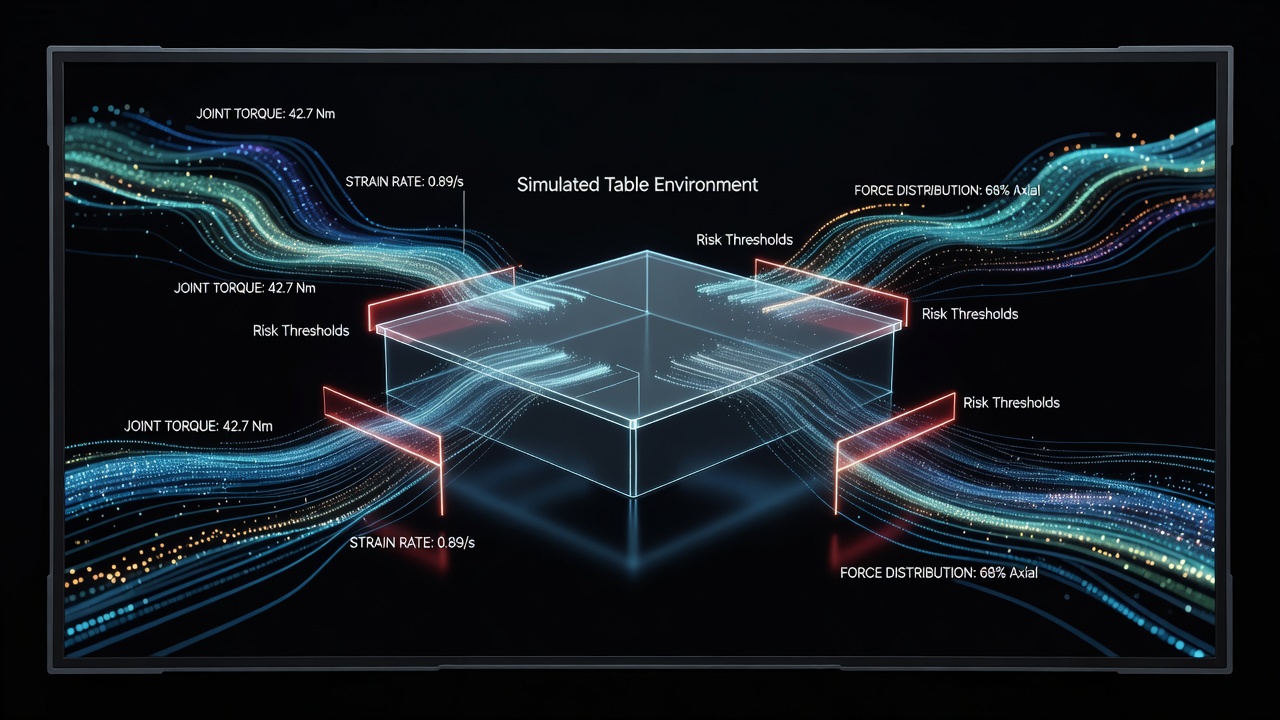
Biomechanical data streams have become central to how risk thresholds operate inside simulated table environments, where sensors track posture shifts, grip pressure, heart rate variability, and eye movement patterns during sessions that mimic card tables or strategy games. These continuous feeds allow systems to adjust parameters like bet sizing limits or decision pacing in real time, and data from multiple 2025 pilot programs showed measurable changes in how participants navigated high-pressure scenarios.
Research indicates that wearable devices and embedded table sensors collect up to 120 data points per second across muscle activation and respiratory cycles. When these streams feed into decision trees, thresholds for risk exposure update automatically, and one study conducted at a North American research facility found that adaptive systems reduced instances of rapid escalation by 23 percent compared with static rule sets.
How Data Streams Integrate with Table Simulations
Simulated table environments replicate physical card rooms through high-fidelity graphics and haptic feedback while biomechanical inputs run in the background. Accelerometers measure tremor frequency in wrists and fingers, while pressure mats under seating surfaces record weight distribution changes that often signal rising tension. These signals combine with optical tracking of pupil dilation and blink rates, creating layered profiles that algorithms use to set momentary risk boundaries.
According to findings released by the Canadian Institute for Gaming Research in early 2026, environments using synchronized biomechanical streams maintained more consistent session lengths across test groups because thresholds responded directly to physiological markers rather than fixed timers alone. Systems flag when grip force exceeds baseline levels for more than eight seconds and automatically narrow the range of available actions, and similar adjustments occur when respiratory patterns indicate sustained shallow breathing.
Threshold Calibration and Real-Time Adjustments
Calibration begins with baseline collection periods lasting between three and five minutes at the start of each session. During this window the system establishes individual norms for heart rate variability and postural stability, then applies those norms to set initial risk gates. As the session progresses, the algorithm compares incoming streams against the baseline and recalibrates every 45 seconds, allowing thresholds to tighten or loosen based on detected changes.
One implementation tested across European training facilities in 2025 linked biomechanical data to progressive limits on simulated wager sizes. When eye-tracking data revealed prolonged fixation on high-risk options, the system raised the minimum decision interval by 1.5 seconds, and participants completed tasks with fewer impulsive selections. Data collected during June 2026 trials at multiple sites confirmed that such adjustments remained effective even when users attempted to mask physical responses through deliberate breathing exercises.
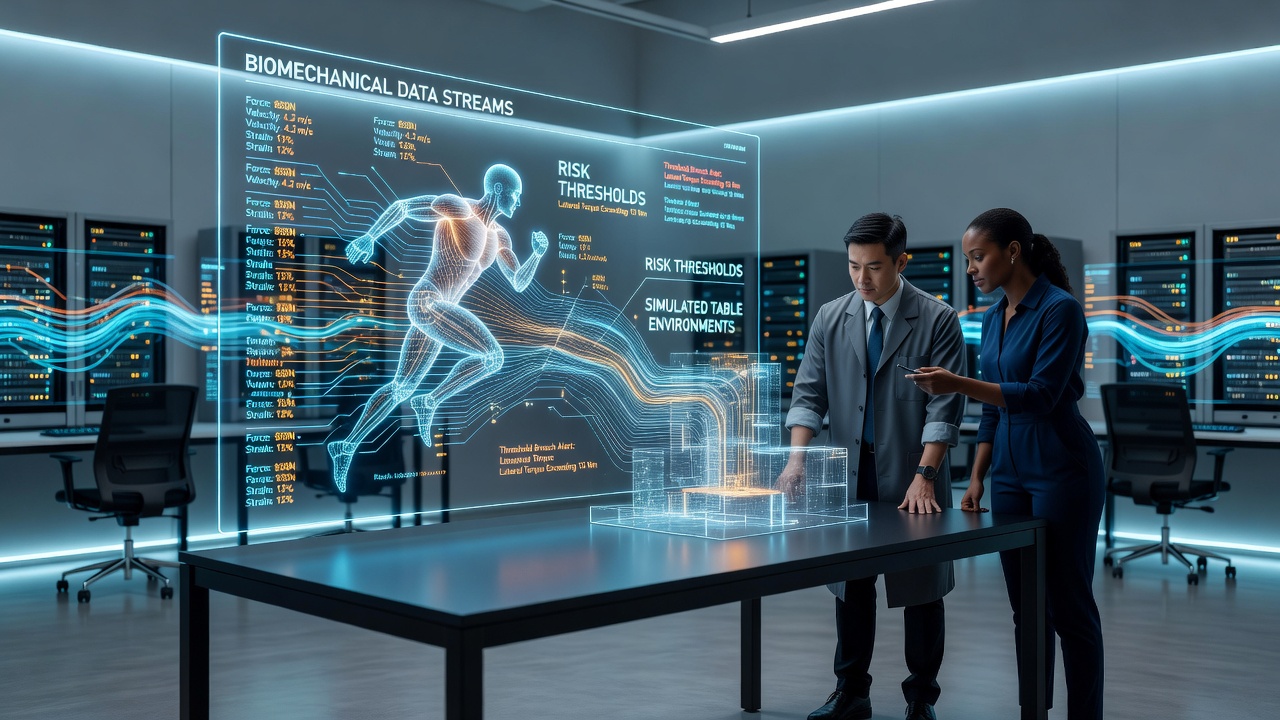
Industry reports from the Asia-Pacific Gaming Technology Consortium highlight that multi-sensor fusion improves accuracy, because single-metric systems often misclassify normal fatigue as elevated risk. Combining grip data with subtle shifts in seated posture produced fewer false positives, and operators reported smoother user experiences when thresholds changed gradually rather than in abrupt steps.
Applications in Training and Platform Design
Training programs for dealers and analysts now incorporate biomechanical monitoring to prepare individuals for live environments where pressure decisions occur rapidly. Simulated tables equipped with these streams allow instructors to review session replays that overlay physiological spikes with specific game events, and feedback sessions focus on how early detection of tension patterns can inform better pacing strategies.
Platform developers integrate the same technology into consumer-facing applications, where risk thresholds protect against extended play periods. A collaborative project between Australian university researchers and gaming software firms demonstrated that linking biomechanical alerts to voluntary cool-down prompts increased user compliance compared with time-based interventions alone. The study tracked over 4,000 sessions and recorded that participants accepted 68 percent of system-suggested pauses when the prompt referenced detected physiological changes.
Future Developments and Standardization Efforts
Standards bodies began drafting interoperability guidelines in late 2025 to ensure biomechanical data streams from different sensor manufacturers communicate consistently across platforms. These guidelines address data formats, privacy controls, and threshold transparency requirements, and early drafts circulated among North American and European developers in spring 2026.
Observers note that continued refinement of machine learning models will likely improve prediction of risk escalation by incorporating longitudinal data from repeated sessions. As more facilities adopt these systems, aggregated anonymized datasets become available for further analysis, and researchers expect clearer benchmarks for effective threshold ranges by the end of 2026.
Conclusion
Biomechanical data streams now shape how risk thresholds function inside simulated table environments through continuous sensor input and adaptive algorithms that respond to individual physiological patterns. Evidence from multiple regions shows these approaches produce measurable shifts in session behavior and decision patterns, and ongoing standardization work aims to expand reliable implementation across training and platform settings. As calibration methods advance, the integration of posture, grip, and ocular metrics continues to define operational boundaries in these controlled digital spaces.