Charting Algorithmic Thresholds That Trigger Automated Safeguards Across Mobile Wagering Sessions
Zoe Jenkins · May 16, 2026
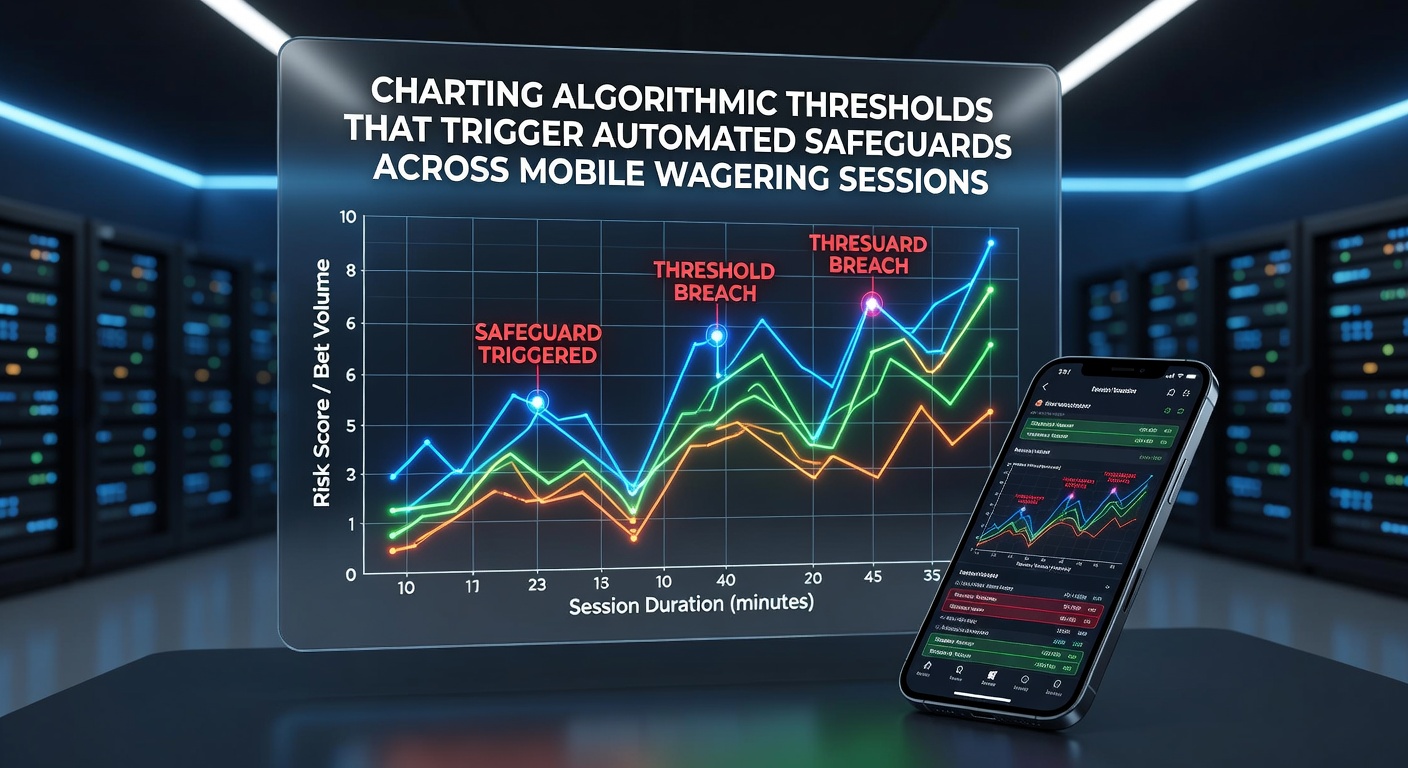
Charting Algorithmic Thresholds That Trigger Automated Safeguards Across Mobile Wagering Sessions
Mobile wagering applications rely on layered algorithmic systems that monitor user behavior in real time and activate protective measures once predefined thresholds get crossed, and these mechanisms have grown more precise as session volumes expanded through 2026. Operators track metrics such as deposit frequency, net loss rates, betting velocity, and consecutive session length, then feed the data into decision trees that decide when an automated safeguard activates without requiring manual intervention from support staff.
Core Metrics That Algorithms Evaluate During Active Sessions
Systems typically assign weighted scores to several variables at once so that no single factor alone determines the outcome yet combinations produce reliable signals. Deposit velocity often serves as an early indicator because multiple funding attempts within a short window can precede rapid loss accumulation, and algorithms compare the current rate against historical averages for that account and similar demographic cohorts. Net loss thresholds activate next in the sequence because they directly measure financial exposure, with many platforms setting graduated alerts at 50 percent, 75 percent, and 100 percent of a user-selected daily or weekly limit.
Betting velocity receives equal attention since rapid successive wagers on the same market or across correlated events can indicate impaired decision-making, and platforms calculate the average time between stake placements then flag deviations that exceed two standard deviations from the account baseline. Consecutive session duration rounds out the primary set because extended continuous play without breaks correlates with higher problem-gambling indicators according to aggregated industry data sets. Once any combination of these metrics breaches its calibrated limit the system queues the appropriate response, which ranges from a simple pop-up message to a temporary reduction in available bet options or an enforced cooling-off period.
Regulatory Drivers Shaping Threshold Calibration in 2026
State regulators in the United States continued to refine technical standards throughout spring 2026, and updates issued in May required operators to publish the exact parameters used for automated interventions so that independent auditors could verify compliance. New Jersey’s Division of Gaming Enforcement incorporated language that obliges platforms to recalibrate thresholds quarterly based on anonymized cohort performance, while similar provisions appeared in updated technical specifications from the Pennsylvania Gaming Control Board. These rules do not dictate specific numeric values, yet they mandate that operators demonstrate the chosen limits reduce the incidence of extended loss sessions by a measurable percentage.
International frameworks supplied additional reference points. Reports issued by the International Center for Responsible Gaming highlighted how configurable thresholds that adapt to individual play patterns outperform static caps, and several North American operators adopted the recommended methodology during their May 2026 platform updates. The result is a hybrid model in which baseline safeguards remain uniform across all users while secondary layers tighten or loosen according to observed risk signals.
Implementation Patterns Across Major Mobile Platforms
Large operators segment their user base into risk tiers before applying differentiated threshold sets, and low-risk accounts receive higher tolerance levels while elevated-risk accounts encounter earlier interventions. Tier assignment draws on both declared preferences and behavioral telemetry collected over the preceding 30 days. When an account moves between tiers the algorithm automatically adjusts the active limits and logs the change for later audit review.
One documented workflow involves a deposit-velocity trigger that, once fired, prompts the user to confirm the transaction through a secondary authentication step and simultaneously reduces the maximum stake size available for the next 60 minutes. Another common sequence begins with a time-based alert after 90 minutes of continuous play, offering an optional 15-minute break that, if declined, escalates to a mandatory pause once the session reaches 120 minutes. These sequences operate entirely within the mobile application layer so that enforcement occurs even if the user switches devices mid-session, provided the account remains logged in under the same identifier.
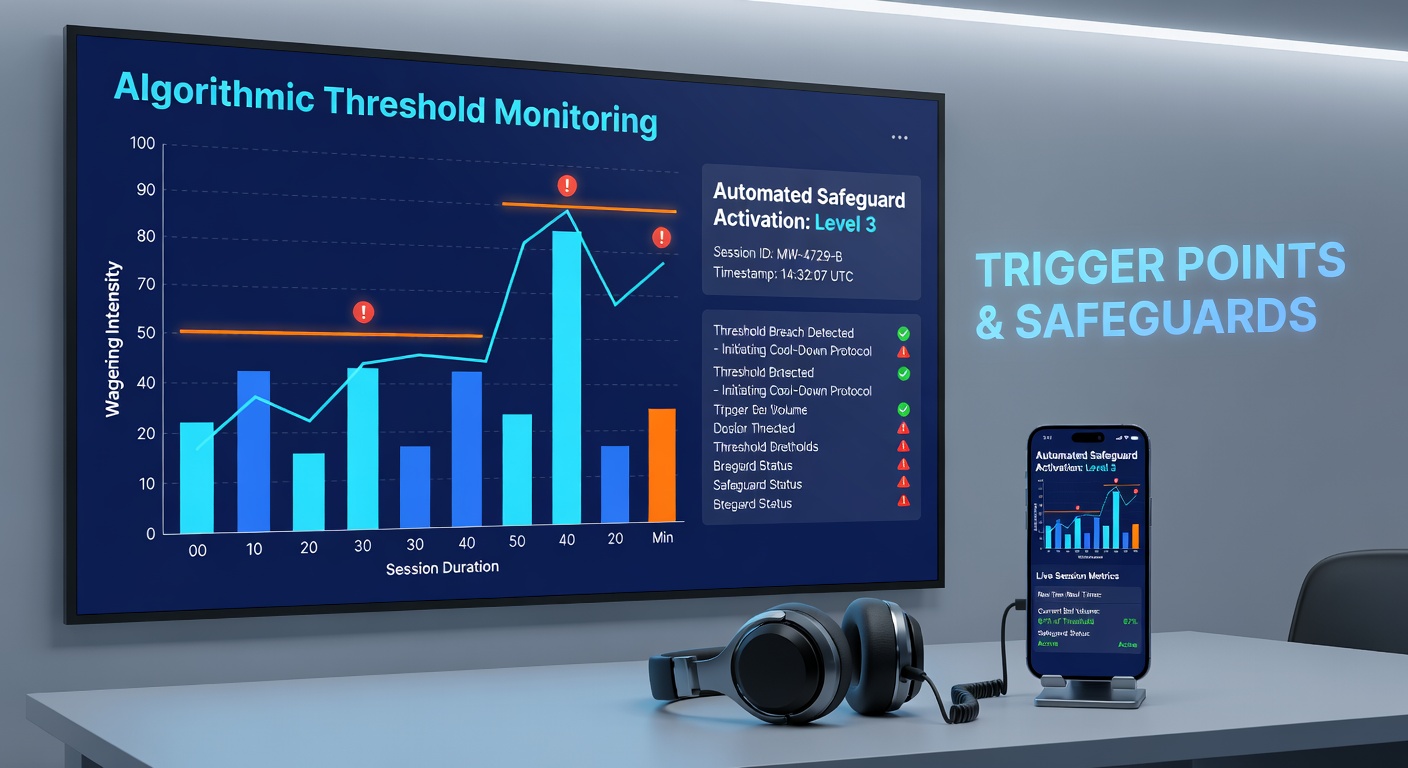
Technical Architecture Supporting Real-Time Detection
Most platforms stream session events to a dedicated rules engine that evaluates conditions every few seconds, and the engine sits between the front-end application and the core wagering ledger so that interventions can occur before the next bet is accepted. Machine-learning overlays refine the static rules by continuously scoring the probability that current behavior will lead to a harmful outcome, yet human compliance teams retain final authority over any permanent account restrictions. Edge cases such as tournament play or live-event surges receive special handling through temporary threshold multipliers that reset automatically once the event concludes.
Data privacy controls limit the variables an algorithm may consider, and operators must obtain explicit consent for behavioral tracking beyond basic transaction records. Encryption protects event streams in transit, and retention policies require deletion of raw behavioral logs after 90 days unless the account enters a formal self-exclusion program. These constraints shape how thresholds get set because models cannot rely on indefinitely accumulating personal histories.
Observed Outcomes Following the May 2026 Standard Updates
Early returns from platforms that completed their recalibrations show a measurable drop in sessions exceeding four hours, and the same operators report fewer instances of users reaching 100 percent of daily loss limits before an intervention occurs. Regulatory filings indicate that complaint volumes related to delayed safeguard activation declined in jurisdictions that adopted the new transparency requirements. Industry observers attribute part of the improvement to clearer documentation that allows third-party researchers to test alternative threshold combinations against historical data sets.
Continued refinement depends on the quality of anonymized data shared among operators and regulators, and several working groups formed after the May updates now focus on standardizing event taxonomies so that cross-platform comparisons become feasible. The technical challenge lies in maintaining detection sensitivity while avoiding over-triggering that could frustrate recreational users, and calibration teams review weekly performance dashboards to balance these competing objectives.
Conclusion
Algorithmic thresholds function as the operational backbone of automated safeguards in mobile wagering, translating regulatory expectations and behavioral research into enforceable session controls that activate without human delay. As standards evolve, operators continue to publish clearer parameter documentation while regulators monitor measurable reductions in extended play and loss accumulation. The systems remain dynamic because each quarterly recalibration incorporates fresh cohort data, ensuring that the triggers stay aligned with observed patterns across diverse user populations.