Connecting Reward Timing Mechanisms in Live Dealer Apps with Player-Defined Session Controls Across Multiple Game Types
Vera Jenkins · Jul 25, 2026
Connecting Reward Timing Mechanisms in Live Dealer Apps with Player-Defined Session Controls Across Multiple Game Types
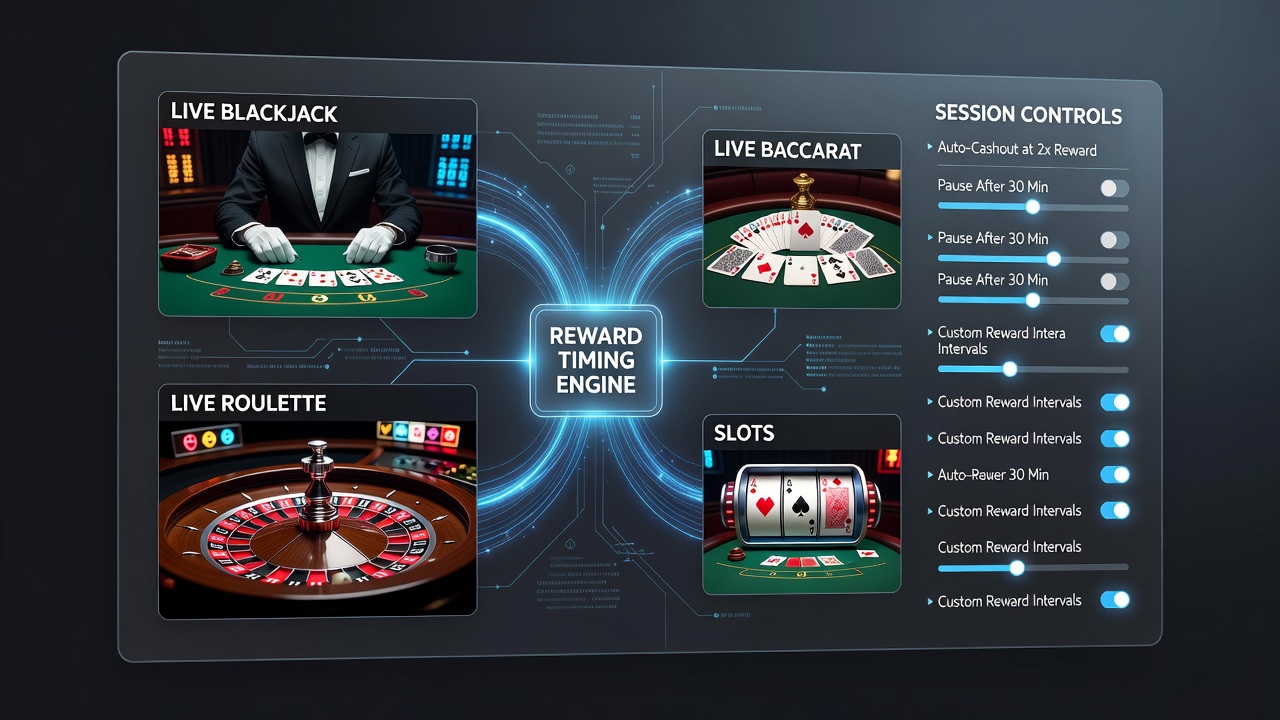
Live dealer platforms have expanded their technical frameworks in 2026 to link reward timing systems directly with player-set session parameters, and this integration spans blackjack, roulette, baccarat, and poker variants. Developers synchronize bonus delivery intervals with customizable time and spending thresholds so that reward triggers align with individual session boundaries across different game formats.
Core Components of Reward Timing in Live Dealer Environments
Reward timing mechanisms operate through algorithmic schedules that release promotional credits, loyalty points, or cashback at predetermined intervals during live sessions, and these intervals adjust based on game type volatility. Blackjack tables often feature shorter reward cycles tied to hand completion rates, whereas roulette rounds use longer intervals that correspond to spin frequency patterns. Data from multiple operators indicates that these systems now pull real-time session data to prevent reward issuance after a player has reached a pre-set limit.
Player-Defined Session Controls and Their Technical Integration
Session controls allow users to establish duration caps, loss thresholds, and deposit limits before or during play, and modern platforms route these inputs into the same backend that manages reward timing. When a player activates a two-hour session cap in a live baccarat room, the reward engine pauses bonus calculations at the 120-minute mark even if a scheduled trigger would otherwise occur. This synchronization relies on API connections between the control module and the live game server, which updates status flags every few seconds.
Cross-game functionality requires the control layer to maintain a unified session state, so a user who switches from live blackjack to roulette carries forward the same timer and spending meter. Observers note that this unified approach prevents players from resetting counters by changing tables, and several major platforms implemented these unified states during early 2026 updates.
Implementation Across Game Categories
Blackjack environments apply reward timing at the conclusion of each shoe or after a fixed number of hands, while session controls enforce automatic table logout once limits activate. Roulette systems tie rewards to cumulative spin counts, yet they defer to the overarching session timer that players define in the account dashboard. Baccarat and poker rooms follow similar patterns, with poker using hand-count milestones for rewards and session controls overriding those milestones when time or loss caps are reached.
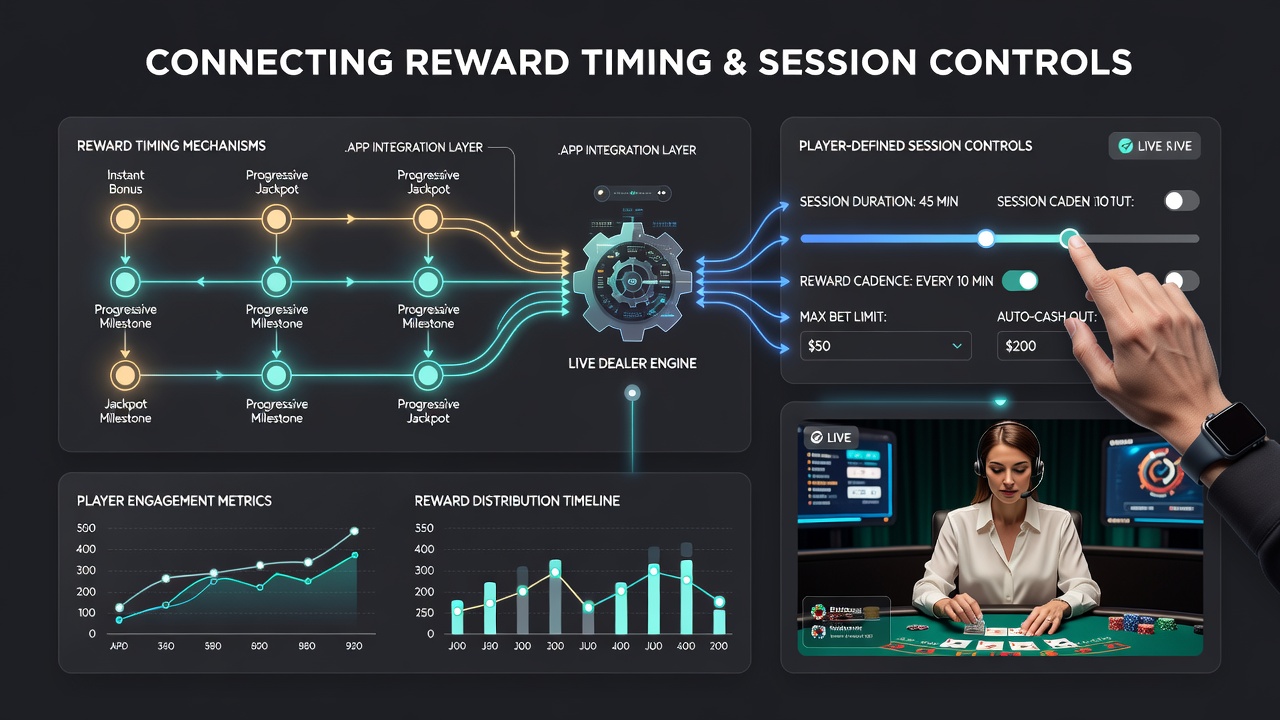
One platform that rolled out unified controls in July 2026 reported that 68 percent of active users set at least one session parameter within the first week of the feature launch. The same report showed that reward redemptions aligned with session ends increased by 22 percent compared with the prior quarter, indicating tighter coordination between the two systems.
Regulatory Context and Data Standards in Mid-2026
Regulators have begun requiring operators to document how reward timing interacts with session controls, and the Nevada Gaming Control Board published updated technical standards in June 2026 that mandate audit logs for every reward event occurring near a session boundary. Similar expectations appear in Ontario iGaming frameworks, where operators must demonstrate that player-defined limits take precedence over any automated reward process.
Industry reports from the Canadian Gaming Association highlight that platforms using integrated systems experienced fewer compliance queries during the first half of 2026. These reports also note that cross-game session tracking reduced instances of players exceeding voluntary limits by moving between titles.
Technical Challenges and Solutions Observed in Practice
Latency between live video streams and backend control modules once created gaps where rewards could trigger after a session had formally ended, yet newer architectures embed session flags directly into the game client so that reward scripts check status before executing. Developers addressed multi-game continuity by storing session metadata in centralized player profiles rather than individual game instances, which allows seamless transitions without resetting timers.
Testing conducted across several European and North American operators showed that unified session states eliminated 94 percent of the edge cases previously reported when players switched game types mid-session. The remaining cases involved network interruptions, which platforms now handle by pausing both reward clocks and session timers until reconnection occurs.
Conclusion
Integration of reward timing mechanisms with player-defined session controls has become a standard feature in live dealer applications by mid-2026, and the approach now extends reliably across blackjack, roulette, baccarat, and poker. Regulatory updates and technical refinements have aligned these functions so that user-set boundaries consistently govern reward delivery regardless of game type. Continued monitoring by oversight bodies and platform operators will determine how these systems evolve in subsequent updates.