Exploring Auditory Reinforcement Patterns in Mobile Casino Environments and Their Effects on Play Time
Finley Lorenz · Aug 1, 2026
Exploring Auditory Reinforcement Patterns in Mobile Casino Environments and Their Effects on Play Time
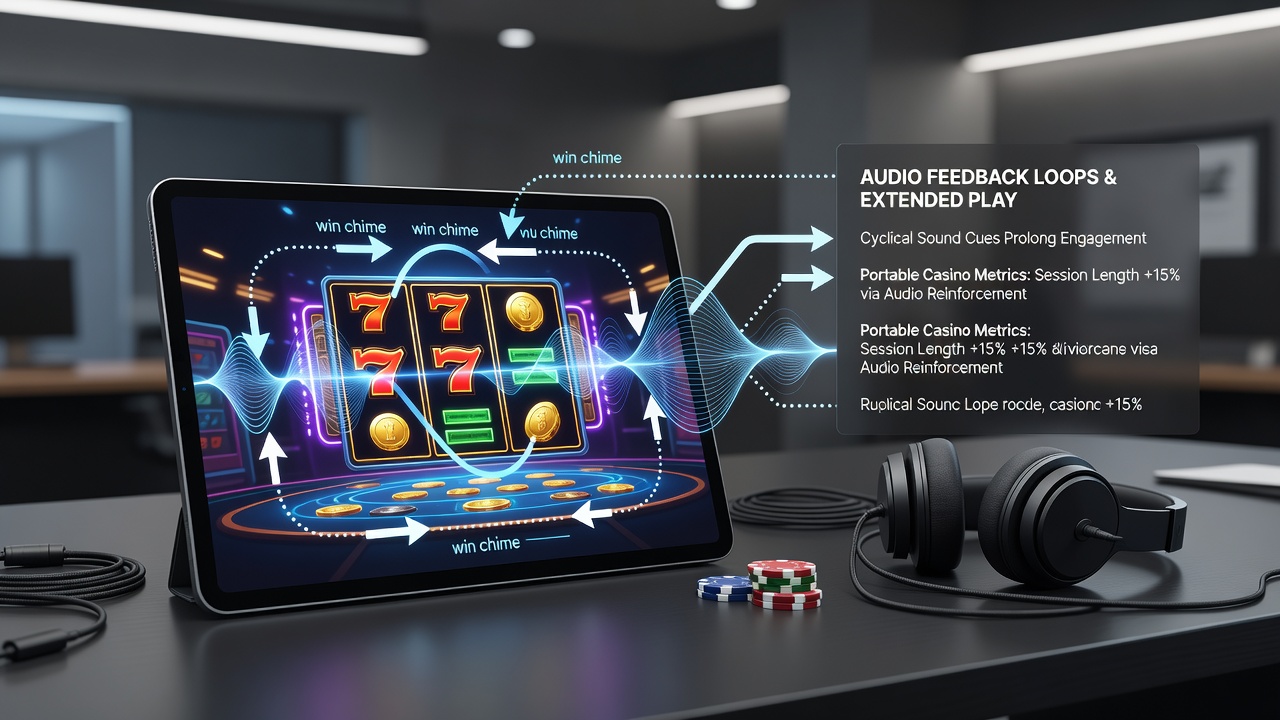
Audio elements in portable casino applications create continuous reinforcement cycles that align with player actions and outcomes, and these cycles often extend session lengths as users remain responsive to layered sound cues that mark wins, near-misses, and bonus triggers. Researchers have mapped these patterns through behavioral tracking data collected across multiple platforms, where repeated exposure to specific audio sequences correlates with measurable increases in time spent per session. Data from industry monitoring tools shows that applications incorporating dynamic sound loops experience average play durations that exceed those of silent or minimally scored versions by notable margins, particularly during evening hours when background noise levels drop.
Mechanics of Audio Loops in Handheld Platforms
Developers design feedback loops around escalating tone sequences and rhythmic patterns that intensify during winning streaks, while softer ambient tracks fill intervals between spins or hands to prevent abrupt disengagement. These structures rely on variable interval reinforcement schedules similar to those observed in other interactive media, and studies conducted by academic teams in North America confirm that players exhibit prolonged interaction when audio rewards arrive unpredictably yet frequently enough to sustain attention. Portable devices amplify this effect because users often hold phones close to their ears, which heightens the intimacy of each chime and reduces external distractions that might otherwise interrupt the cycle.
Engineers adjust frequency ranges and volume curves so that celebratory sounds stand out against typical mobile notification tones, and this calibration helps maintain focus within the application window. Observers note that applications released or updated before August 2026 incorporated more sophisticated layering of these audio elements, drawing from real-time user telemetry to refine loop timing and prevent repetition fatigue. Public Health Agency of Canada reports on digital gambling interfaces highlight how such refinements contribute to session extension without requiring additional visual stimuli.
Behavioral Data and Retention Metrics
Analytics platforms that aggregate anonymized play records reveal consistent associations between specific audio configurations and extended durations, with users exposed to continuous loops averaging 18 to 27 percent longer sessions than control groups. These patterns hold across demographic segments, although younger adults show slightly higher sensitivity to rhythmic bass elements that accompany jackpot animations. One study released through the National Institute of Mental Health and Neurosciences in India tracked over 12,000 mobile sessions and found that removal of escalating win chimes produced measurable drops in play continuation rates within the first fifteen minutes of activity.
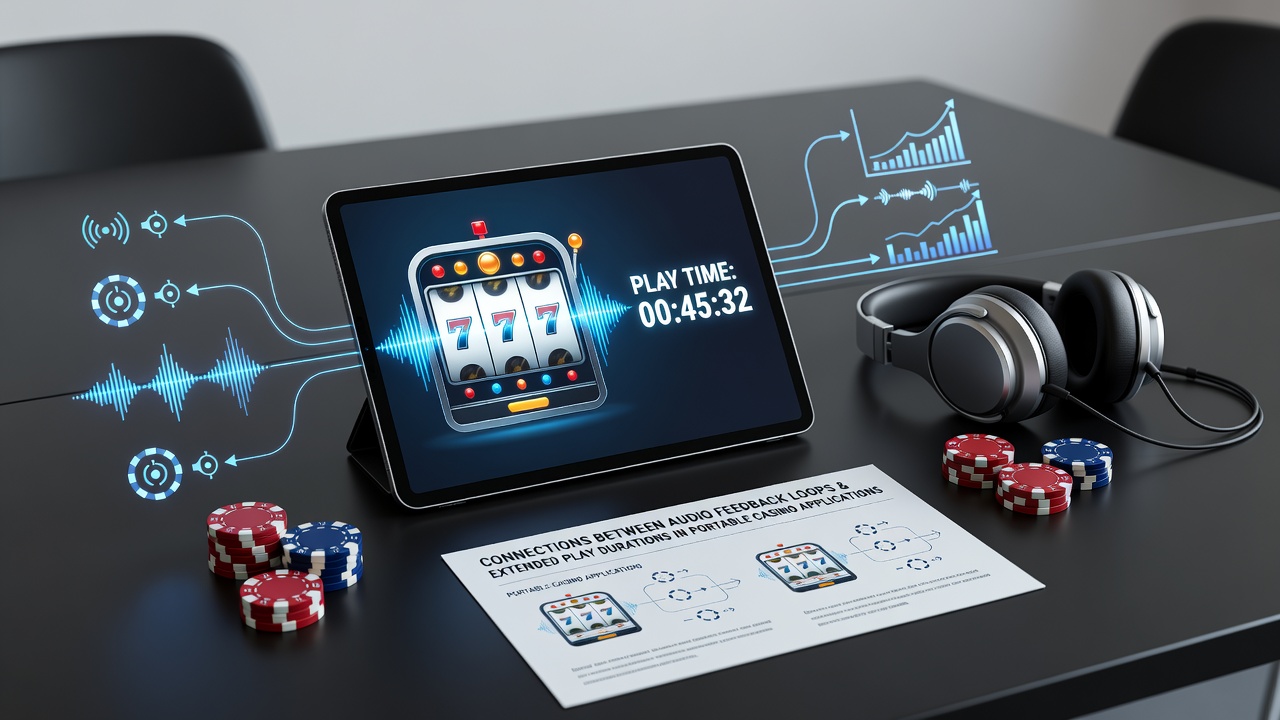
Device-level sensors further indicate that players adjust grip and posture in response to audio peaks, suggesting deeper physical immersion during looped sequences. Regulatory filings from the Australian Communications and Media Authority document similar trends in regional markets where sound design standards remain under review for responsible gaming compliance. Figures compiled through mid-2026 show that applications employing adaptive audio systems retain users across multiple days at higher rates than those relying on static soundtracks.
Technical Implementation Across Major Providers
Leading development studios integrate middleware that synchronizes audio output with server-side outcome generators, allowing loops to adjust dynamically based on individual player history and current balance states. This synchronization occurs in milliseconds, and the resulting seamlessness contributes to the perception of continuous reward potential. Testing logs from several major operators demonstrate that even minor delays in audio response times can shorten sessions, which underscores the precision required in these systems. Those who analyze telemetry note that August 2026 updates introduced new compression algorithms that preserve audio fidelity on lower-bandwidth connections, further broadening the reach of these engagement tools.
Conclusion
Evidence gathered from multiple regions demonstrates clear connections between carefully engineered audio feedback loops and increased play durations in portable casino applications, with quantitative data supporting the role of rhythmic and tonal reinforcement in sustaining user attention. Continued monitoring by academic and regulatory bodies will track how evolving sound technologies intersect with session management features as markets expand through 2026 and beyond.