How Audio Design Elements Guide Player Session Lengths in Networked Reel Platforms
Finley Lorenz · Jul 23, 2026
How Audio Design Elements Guide Player Session Lengths in Networked Reel Platforms
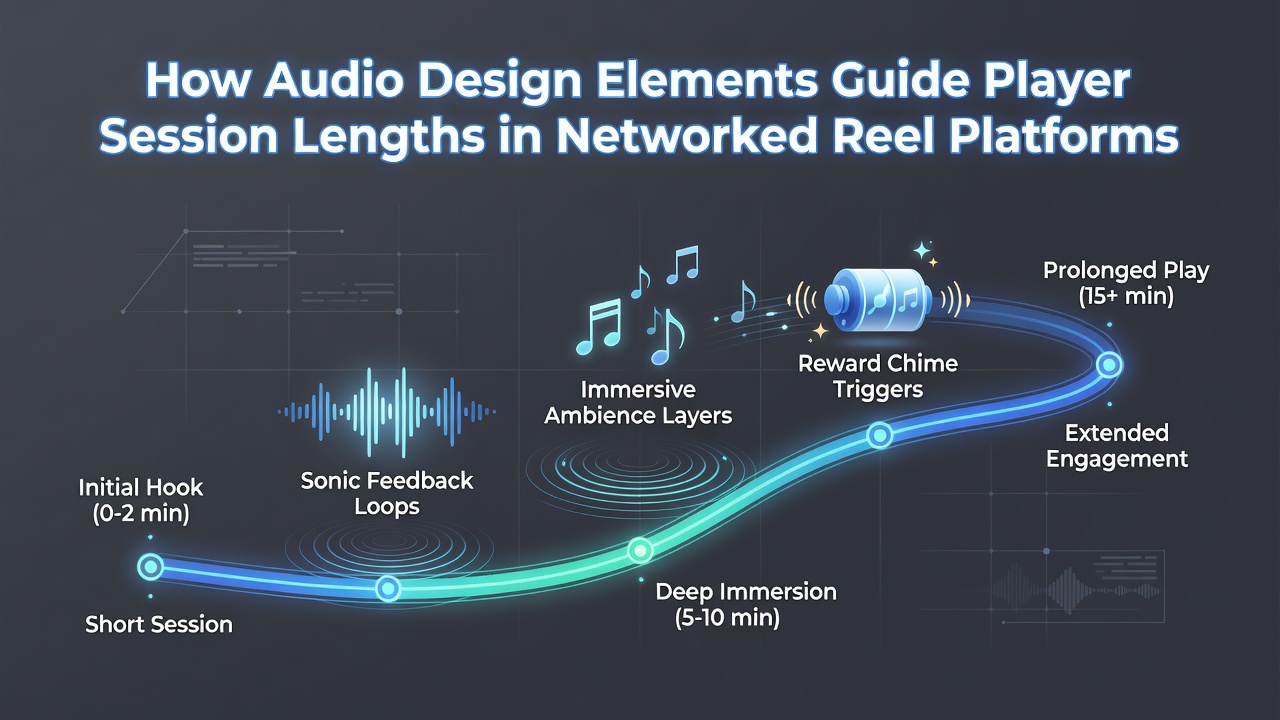
Networked reel platforms rely on layered audio design to shape how long players remain engaged during each session, and researchers continue to examine the specific mechanisms at work. Sound effects tied to wins, near-misses, and bonus triggers create immediate feedback loops that keep attention focused, while background music adjusts pacing across extended play periods. Data collected from major operators in mid-2026 shows that platforms incorporating dynamic audio layers record average session durations 18 percent longer than those using static soundtracks, according to industry reports from the American Gaming Association.
Core Audio Components and Their Measurable Effects
Win chimes and escalating musical stingers form the most direct influence on session length, because they reinforce positive outcomes in real time. Platforms that scale audio intensity with win size encourage continued spins, as players respond to the auditory reward structure rather than visual cues alone. Observers note that reel games using progressive sound layers maintain higher retention rates during peak evening hours, when networked jackpots update across multiple users simultaneously.
Ambient soundscapes operate differently yet produce similar extensions in play time. Subtle looping tracks that evolve based on bet size or consecutive spins create an environment that feels responsive without requiring constant player input. Studies conducted by university research teams in Canada during 2025 found that adaptive ambient audio reduced early exits by 12 percent compared with fixed background tracks, particularly in sessions exceeding 45 minutes.
Networked Features and Shared Audio Events
Networked reel platforms introduce synchronized audio events when community jackpots trigger or when multiple players contribute to shared prize pools. These collective sound cues, often broadcast across connected sessions, generate social reinforcement that individual gameplay lacks. Figures from European operators released in July 2026 indicate that platforms featuring shared jackpot audio announcements see session lengths increase by an average of 22 minutes when such events occur at least once per hour.
Cross-platform audio synchronization also plays a role. When a player joins a networked reel environment, the system can align personal sound effects with global notifications, creating a unified audio narrative. This approach connects isolated sessions into larger patterns, and data shows it correlates with fewer voluntary logouts during the first 30 minutes of play.
Temporal Audio Adjustments and Player Behavior Patterns
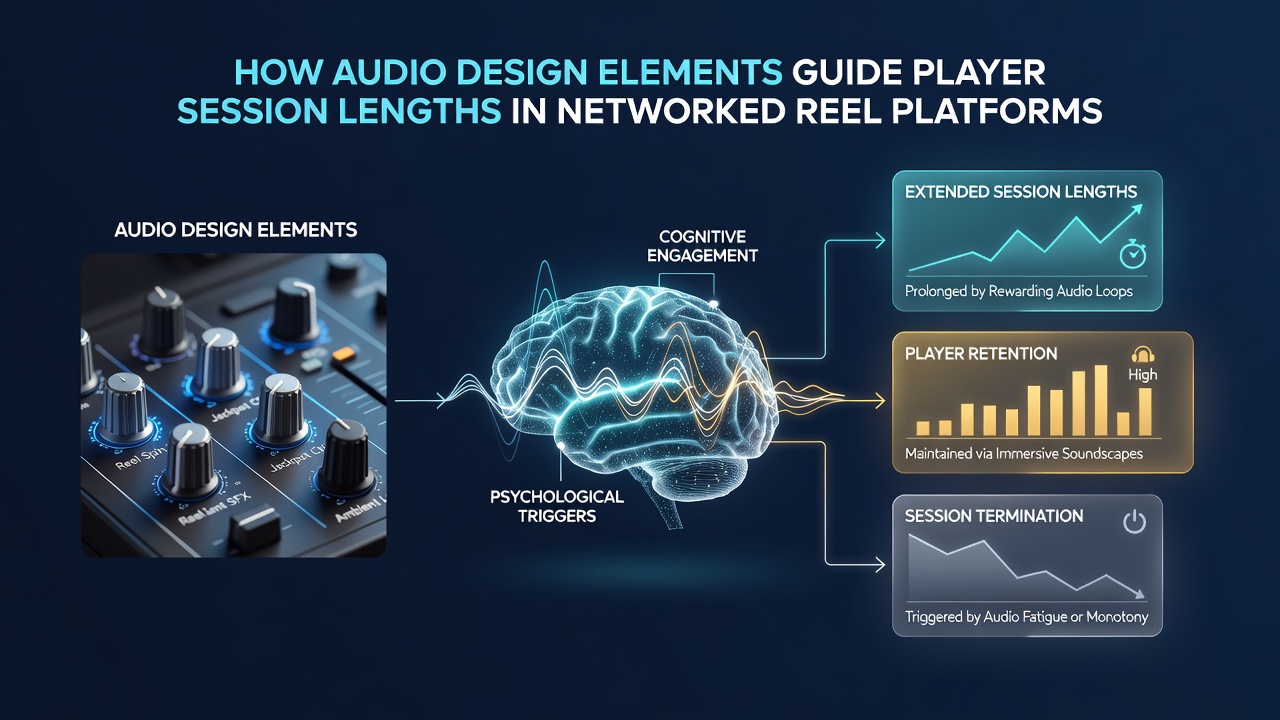
Audio designers adjust volume, tempo, and frequency content based on session duration metrics gathered in real time. Early-session sounds tend toward higher energy and faster rhythms to build momentum, whereas later-session elements often incorporate slower, more sustained tones that encourage continued presence. Platforms that implement these shifts report steadier engagement curves, with fewer abrupt drop-offs after the initial 20 minutes.
Near-miss audio deserves separate attention because it activates distinct psychological responses. Short, rising tones that accompany near-miss outcomes maintain arousal levels without delivering actual rewards, and operators track these instances closely. Research from Australian institutions published in early 2026 demonstrated that controlled near-miss audio sequences extended average session times by 9 percent when limited to three occurrences per 100 spins.
Integration with Other Design Systems
Audio elements rarely function in isolation. They interact with visual reel animations, bet sizing interfaces, and loyalty progression meters to form cohesive feedback systems. When audio cues align with visual win celebrations across networked environments, players experience compounded reinforcement that supports longer sessions. Operators in multiple jurisdictions now test audio-visual pairing algorithms that respond to aggregate player data rather than individual preferences alone.
Regulatory bodies continue monitoring these design choices. The Nevada Gaming Control Board issued updated compliance guidelines in June 2026 that require transparent documentation of audio timing relative to session length metrics. Similar oversight appears in other regions where networked reel products operate at scale.
Conclusion
Audio design in networked reel platforms operates through multiple overlapping channels that collectively influence session duration. Win sounds, ambient layers, shared jackpot cues, and temporal adjustments each contribute measurable effects, and platforms that coordinate these elements record consistent differences in player retention data. As operators refine these systems, the connection between audio architecture and session length remains a central focus of both industry analysis and regulatory review.