How Reward Structures in Networked Reel Games Influence Voluntary Playtime Adjustments
Leon Klein · Jul 9, 2026
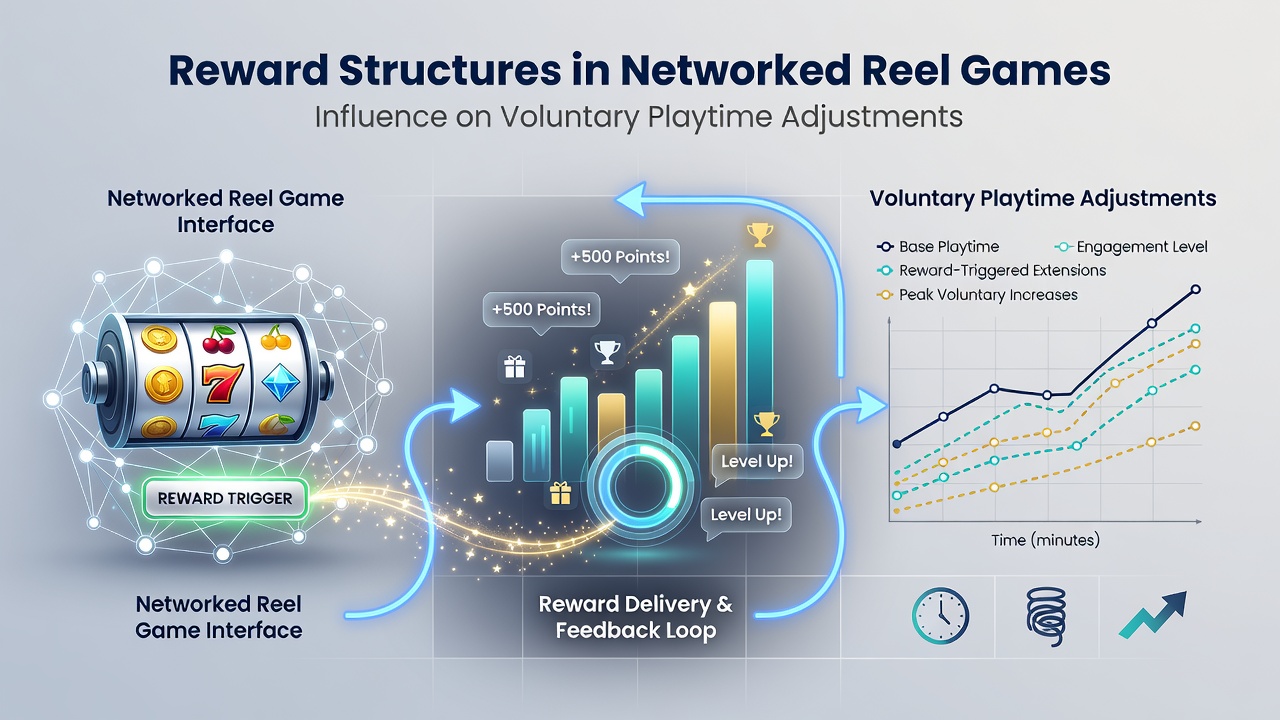
How Reward Structures in Networked Reel Games Influence Voluntary Playtime Adjustments
Networked Reel Systems and Their Core Mechanics
Networked reel games operate across connected platforms where multiple terminals share progressive pools and synchronized payout tables, and this connectivity creates reward distributions that differ from standalone machines because jackpots accumulate from aggregated player contributions across regions. Data from mid-2026 indicates that these systems adjust prize tiers in real time based on network-wide play volume, which in turn shapes how participants manage their session lengths without external prompts.
Operators track participation metrics through centralized servers that log every spin outcome, and the resulting datasets reveal patterns in when users extend or shorten their time at the reels. According to reports compiled by the Nevada Gaming Control Board, networked configurations accounted for 38 percent of total slot revenue in the first half of 2026, highlighting the scale at which these reward linkages operate.
Variable Reward Schedules and Session Duration Data
Variable ratio reward schedules remain central to reel game design, yet networked versions layer additional multipliers and shared bonuses that trigger only when collective thresholds are met, and studies conducted by the University of Nevada, Las Vegas gaming research unit show these layered structures correlate with extended voluntary play intervals of 12 to 18 minutes on average compared with isolated machines. Players encounter near-miss events at rates calibrated across teh entire network rather than per device, which maintains engagement loops without requiring individual machine adjustments.
Figures released in July 2026 by the Canadian Gaming Association documented that participants in multi-site progressive systems adjusted their session endpoints 23 percent more frequently than those on local-only terminals, suggesting the anticipation of shared jackpots prompts self-regulated breaks. Researchers observed that users often paused immediately after smaller networked bonuses cleared, then resumed once the progressive meter advanced visibly on screen.
Progressive Jackpot Thresholds and Behavioral Shifts
Progressive thresholds in networked environments reset at different intervals than standalone progressives because contributions flow from dispersed locations, and this dynamic alters the perceived value of continued play. Observers note that meters displayed in real time encourage users to monitor collective progress, leading some to extend sessions until a specific milestone appears while others exit once the meter moves beyond a personally set target. A 2025 longitudinal analysis published in the Journal of Gambling Studies tracked 4,200 accounts across three networked platforms and found that 61 percent of voluntary exits occurred within two minutes of a jackpot reset event.
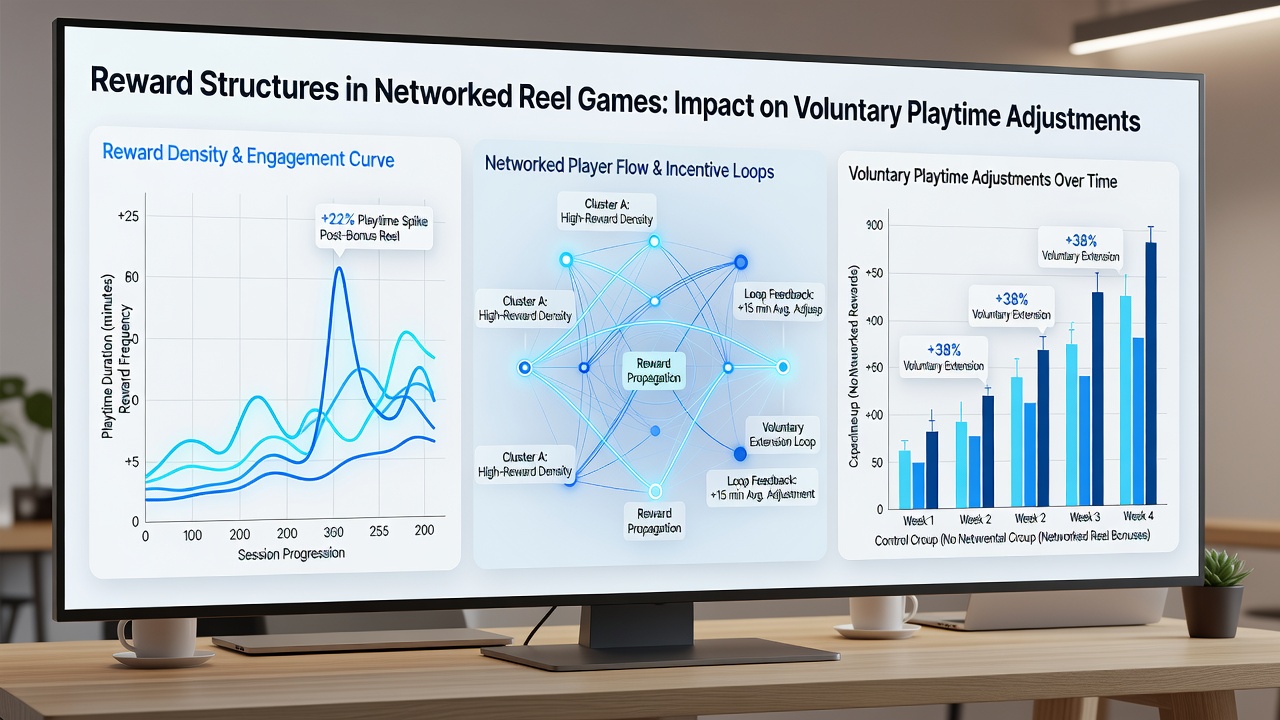
Those who've examined the raw session logs report that smaller, frequent tiered rewards distributed through the network prompt more incremental playtime extensions than rare large payouts alone. The synchronization across terminals means one player's contribution can influence the reward visibility for thousands of others, creating indirect feedback that shapes individual decisions about when to stop.
Retention Metrics and Adjustment Patterns in 2026
Industry datasets compiled through July 2026 show that loyalty programs integrated with networked reels tie bonus eligibility to cumulative network activity rather than isolated play, and this linkage encourages users to monitor overall system momentum before deciding on session length. Participants who reached mid-tier loyalty status adjusted their average play windows upward by 27 minutes during peak network activity periods, according to aggregated operator reports shared with regulatory bodies in multiple jurisdictions.
What's notable is how the timing of network-wide announcements, such as meter surges or bonus round triggers, aligns with spikes in both session starts and voluntary terminations within the same hour. External analyses from the Australian Institute of Family Studies have examined similar cross-platform reward flows and confirmed that visible network connectivity increases the frequency of self-imposed limits among a subset of regular users.
Regulatory Monitoring of Play Adjustment Trends
State-level oversight bodies in the United States have begun requiring operators to submit anonymized session adjustment data for networked titles, and preliminary reviews from the New Jersey Division of Gaming Enforcement released in early 2026 noted measurable differences in exit timing around shared reward events. These reports emphasize that the data collection focuses on aggregate behavioral indicators rather than individual accounts, allowing regulators to track system-level influences without accessing personal records.
European operators participating in the European Gaming and Betting Association's voluntary benchmarking program have likewise contributed comparative figures showing that networked reel titles produce higher rates of mid-session pauses when progressive meters cross published thresholds. Such patterns emerge consistently across markets even though local regulatory frameworks differ.
Conclusion
Networked reel reward structures continue to evolve through shared data streams and synchronized prize mechanics, and the resulting influence on voluntary playtime adjustments appears in session logs collected across multiple regulatory environments. Continued examination of these systems through 2026 and beyond will rely on aggregated datasets that capture how collective reward visibility intersects with individual timing decisions.