How Virtual Table Game Tournaments Build Player Networks Across State Lines
Zoe Jenkins · Jul 11, 2026
How Virtual Table Game Tournaments Build Player Networks Across State Lines
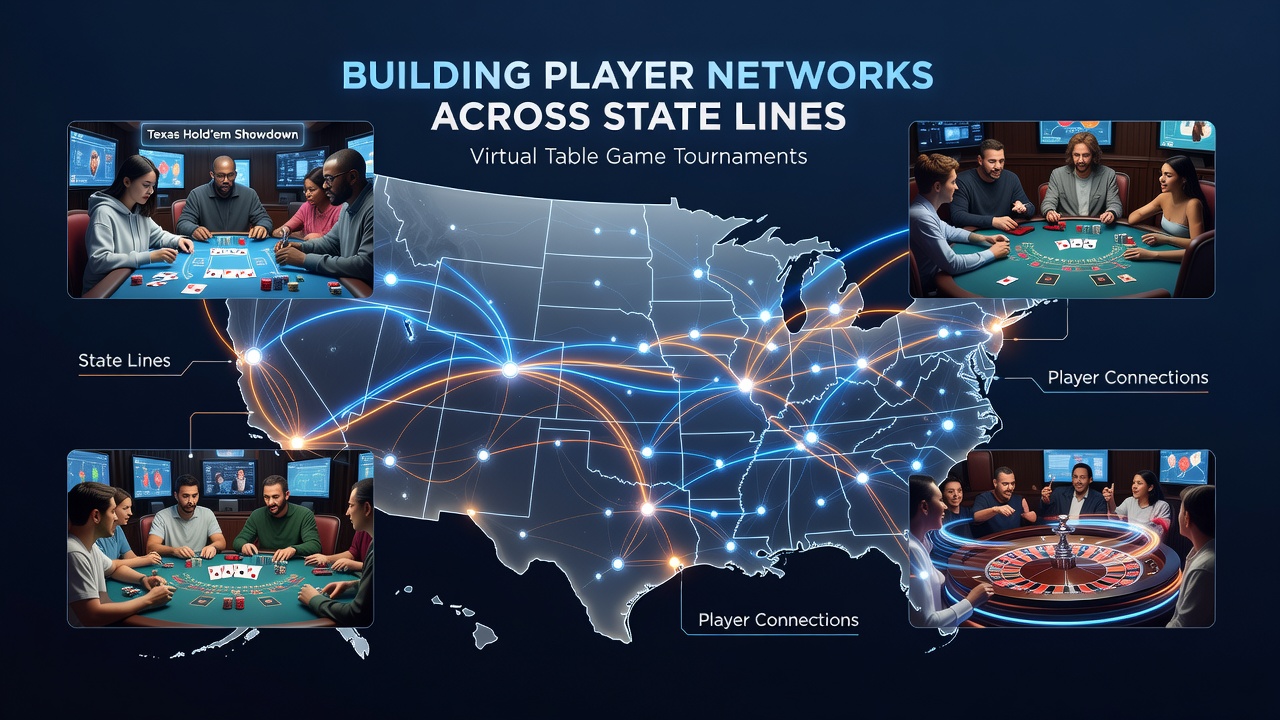
Virtual table game tournaments connect participants from multiple jurisdictions through structured online platforms that operate where state laws permit such activity. These events rely on licensed operators who maintain separate player pools or use approved interstate compacts to link accounts across borders while complying with each state's regulatory requirements. Data from industry reports shows participation numbers climbing steadily through mid-2026 as more states finalize frameworks for digital gaming.
Platform Mechanics That Enable Cross-Border Competition
Operators deploy geolocation technology alongside account verification systems that confirm a player's physical location at login and during active play. When a tournament spans permitted states, the software routes participants into shared lobbies only after confirming eligibility under each jurisdiction's rules. Research from academic sources tracking online gaming patterns indicates these systems handle thousands of simultaneous connections without mixing unauthorized traffic, creating reliable pathways for players in states like Nevada, New Jersey, and Pennsylvania to face opponents from additional approved markets.
July 2026 saw several major platforms launch synchronized tournament series that drew entries from six states operating under mutual recognition agreements. The events featured progressive structures where early rounds occurred within single-state pools before advancing qualifiers merged into larger fields, a format that expanded contact opportunities without violating existing statutes.
Social Tools Driving Network Formation
Integrated chat functions, friend-request systems, and shared leaderboards allow repeated interactions that extend beyond individual tournaments. Participants exchange strategy notes, form recurring groups for future events, and track performance metrics across sessions. Observers tracking user behavior note that these features accelerate relationship building because players encounter the same usernames in multiple brackets over weeks or months, turning one-off matches into sustained connections.
Those who study digital communities point to private table options and team-based formats as additional catalysts. When operators introduce limited-entry private tournaments, players often invite contacts they first met in open events, creating closed circles that operate across state lines yet remain within licensed environments. Figures from platform analytics reveal that repeat opponents increase by measurable margins in states with mature multi-state agreements compared to isolated markets.
Regulatory Structures Supporting Interstate Play
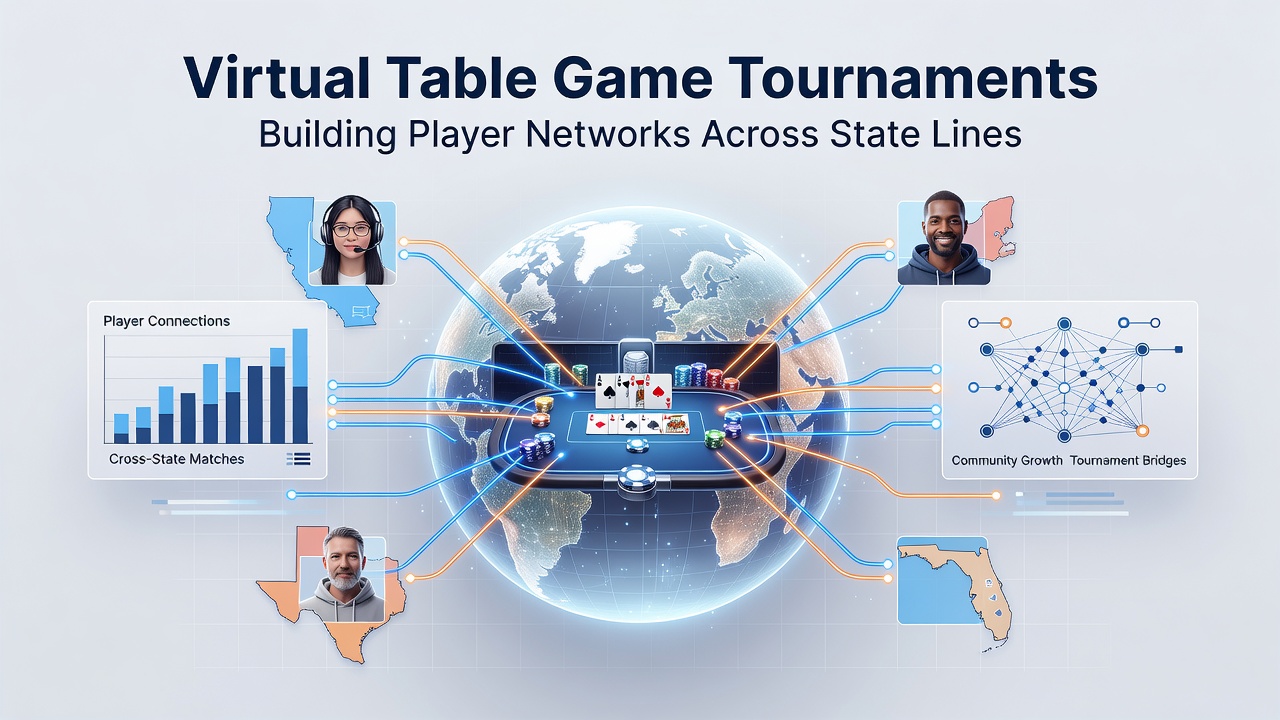
State gaming commissions coordinate through formal compacts that outline data-sharing protocols, tax allocation, and consumer protection standards. These agreements permit operators to aggregate player traffic while maintaining separate ledgers for each jurisdiction's revenue and compliance obligations. According to documentation released by the Nevada Gaming Control Board, such arrangements have expanded the pool of available opponents without requiring full federal legislation.
Canadian provincial regulators and Australian state authorities have implemented parallel models that demonstrate similar outcomes, with documented increases in cross-regional tournament entries after framework adoption. The consistency across these systems suggests the approach scales effectively when technical safeguards remain aligned with local licensing terms.
Community Outcomes and Retention Patterns
Longitudinal data collected by research institutions shows elevated retention rates among players who participate in multi-state events versus those restricted to single-jurisdiction play. The expanded opponent variety sustains engagement because skill levels and playing styles differ across regions, reducing repetition in matchups. Platforms report that users who join at least one cross-state tournament per month demonstrate higher average session lengths and return frequencies.
Case examples include regional qualifiers that feed into national-style finals, where winners from separate state brackets converge for championship rounds. These structures reward consistent performance across months of regional competition and expose participants to wider networks of skilled opponents. Industry associations tracking these developments note corresponding growth in ancillary features such as spectator modes and post-event discussion forums that further embed connections.
Conclusion
Virtual table game tournaments continue to function as structured environments where licensed platforms facilitate interaction across state boundaries through verified technology and regulatory cooperation. The resulting networks emerge from repeated competitive contact, shared performance data, and social tools that operators embed within compliant systems. As additional states evaluate participation frameworks, the infrastructure supporting these connections remains central to how participants locate and maintain relationships with players outside their home jurisdictions.