Interface Blueprints That Enable Responsible Play Tools Across Mobile Casino Platforms
Finley Lorenz · Aug 18, 2026
Interface Blueprints That Enable Responsible Play Tools Across Mobile Casino Platforms
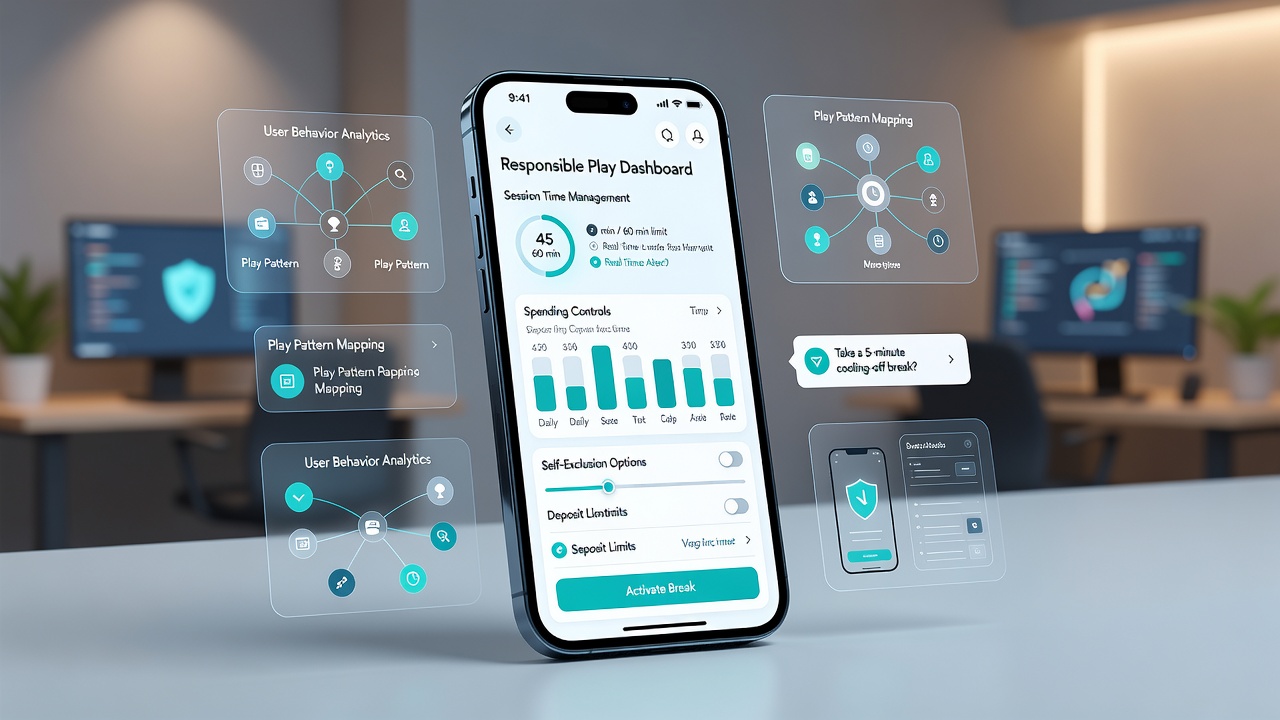
Developers now map user interface elements in mobile casino applications to integrate responsible play features directly into core navigation flows, and this approach places tools such as deposit limits, session timers, and self-exclusion options within one or two taps of the main betting screen. Data from regulatory filings shows that applications using these mapped layouts record higher activation rates for limit-setting functions compared with designs that bury the same options in deep menu hierarchies.
Core Navigation Patterns for Limit Setting Controls
Design teams position spending caps and time reminders at the top level of account dashboards, while quick-access buttons appear on the game lobby itself so users encounter these options during active play rather than after the fact. Observers note that swipe gestures and persistent bottom navigation bars allow seamless transitions between gameplay and responsible play menus without forcing players to exit the current session. Research indicates that when these controls sit alongside bet placement buttons, engagement with limit features rises measurably within the first week of app use.
Visual Hierarchy and Color Coding Systems
Applications employ distinct color palettes for responsible play elements, typically using soft blues and greens to differentiate them from high-contrast betting buttons, and this visual separation helps users locate the tools quickly during extended sessions. Progress bars that display remaining deposit room or elapsed playtime sit directly beneath game titles, while modal pop-ups triggered by preset thresholds deliver clear numeric feedback without disrupting the overall layout. Studies conducted by independent testing labs reveal that consistent iconography across different device sizes improves recognition rates for these features among users who switch between phones and tablets.
Biometric and Notification Integration Points
Some platforms connect biometric prompts to responsible play confirmations, requiring fingerprint or face verification before changes to limits take effect, and this step adds a brief pause that encourages deliberate decisions. Push notifications scheduled at regular intervals summarize session statistics and link straight back to the same control panel, yet developers keep the messages concise to avoid alert fatigue. In August 2026 several operators began testing adaptive notification schedules that adjust based on individual play patterns recorded over prior weeks.
One study revealed that incorporating these mapped notification loops reduced average session lengths in test groups by noticeable margins without affecting overall user retention numbers. External testing firms continue to evaluate how different notification cadences interact with the underlying UI structure across various operating systems.
Accessibility Considerations in Responsible Play Layouts
Interface mapping extends to screen reader compatibility and adjustable text sizes so that limit-setting screens remain functional for users with visual impairments, and developers place alternative text labels on every interactive element related to spending or time controls. Voice command shortcuts now appear in several major applications, allowing users to query current limits or activate cool-down periods through spoken instructions. Data shows that these accessibility layers increase adoption of responsible play tools among broader demographic segments rather than limiting their reach to any single user group.
Regional Regulatory Influences on Design Standards
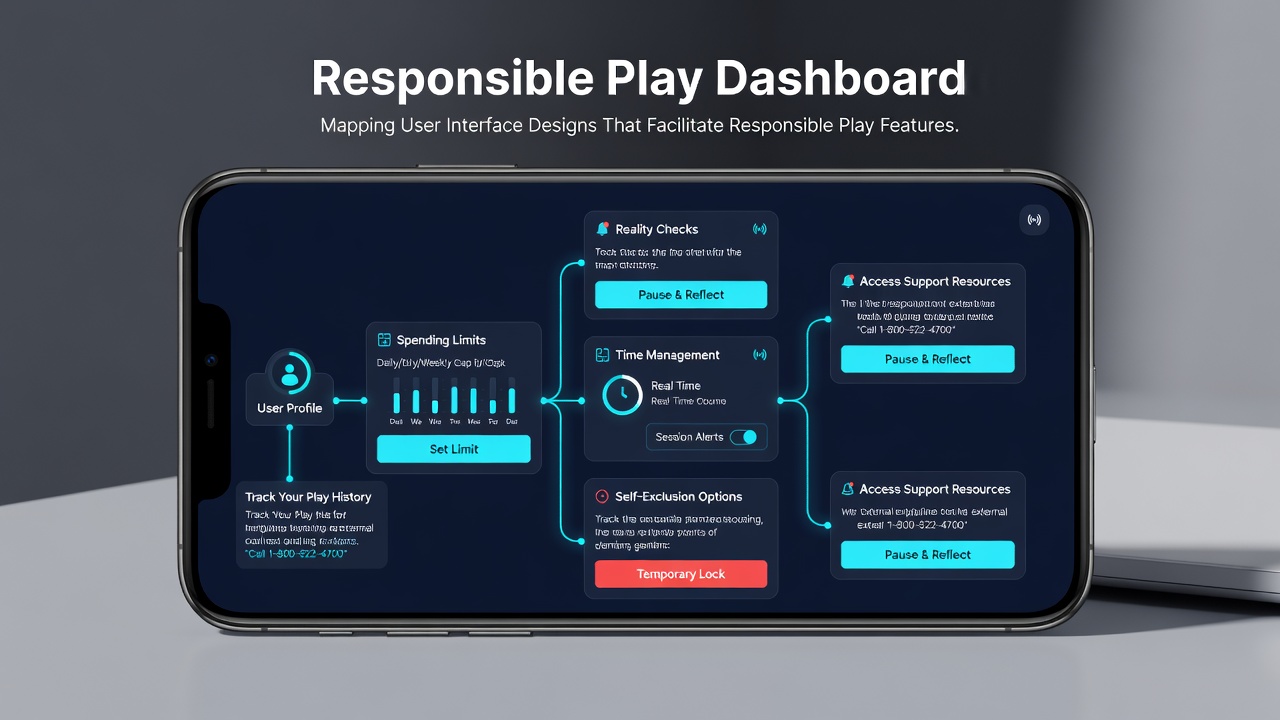
Regulators in multiple jurisdictions now require operators to demonstrate that responsible play features occupy prominent screen positions, and compliance documentation submitted in 2026 frequently includes screenshots and user flow diagrams that map each control's location. The International Center for Responsible Gaming has published guidelines that emphasize consistent placement across different game categories, while Canadian provincial authorities have issued similar technical specifications for apps licensed within their markets. Operators adjust layouts to satisfy both sets of requirements without creating conflicting navigation patterns for users who access the same application across borders.
Testing and Iteration Cycles for UI Effectiveness
Analytics platforms track tap heatmaps and scroll depth on responsible play screens, supplying designers with quantitative evidence that informs subsequent layout revisions. A/B testing conducted by several large operators compares versions where limit tools appear in fixed positions versus dynamic locations that shift based on user behavior, and early results favor the fixed-position approach for first-time users. Those who've studied retention metrics note that clear mapping of these features correlates with longer-term account activity rather than abrupt departures after initial sessions.
Conclusion
Interface mapping practices continue to evolve as mobile casino applications incorporate new data streams and regulatory expectations, yet the core principle remains consistent placement of responsible play controls within intuitive navigation structures. Evidence from multiple markets demonstrates that applications applying these design methods achieve measurable uptake of limit and reminder functions. Ongoing collaboration between developers, regulators, and research organizations supports further refinement of these UI patterns through 2026 and beyond.