Notification and Limit Tool Integration in Virtual Table Gaming Systems
Felix Reed · Aug 6, 2026
Notification and Limit Tool Integration in Virtual Table Gaming Systems
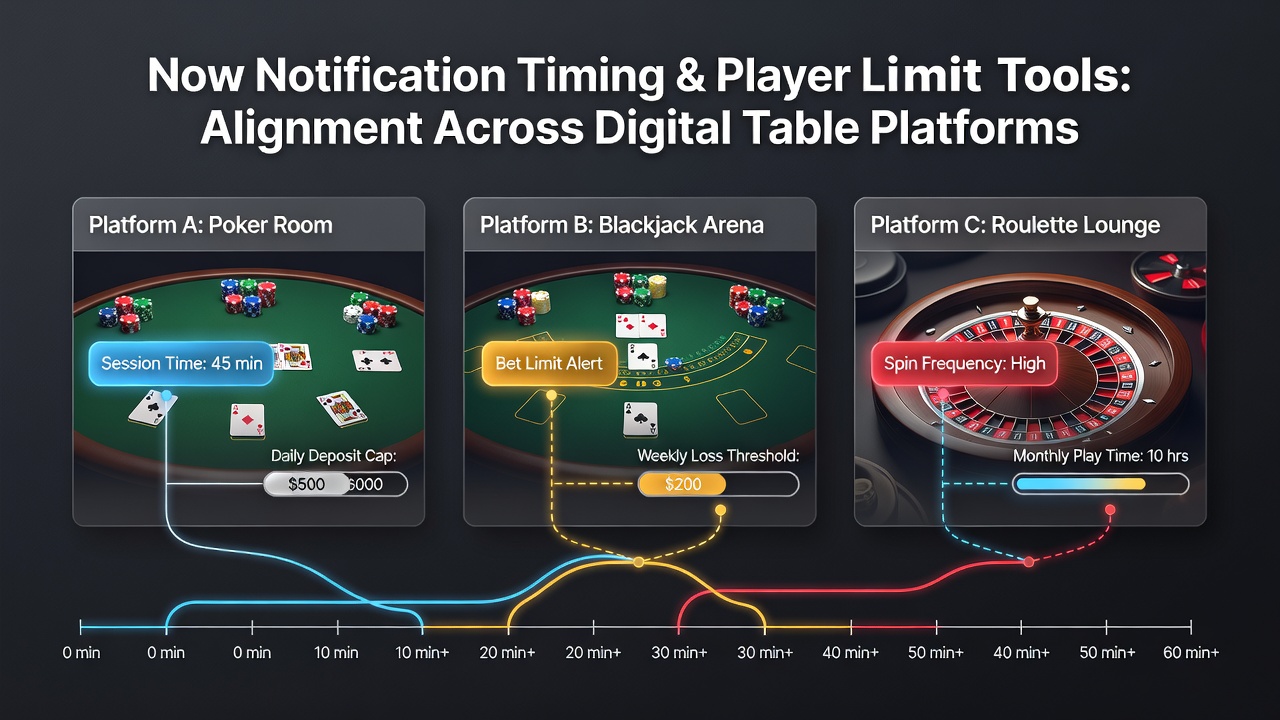
Digital table platforms coordinate notification timing with player limit tools through automated systems that monitor session activity, deposit thresholds, and time-based restrictions in real time, and this coordination occurs across poker rooms, blackjack tables, and roulette environments operated by major operators. Researchers at institutions studying online gaming mechanics have documented how these alignments function to maintain compliance with jurisdictional requirements while supporting user-defined boundaries.
Core Components of Player Limit Tools
Player limit tools encompass deposit caps, session duration controls, and loss thresholds that users activate within account settings, and platforms apply these across multiple game types simultaneously. Data from industry reports indicate that operators configure these tools to trigger at predetermined intervals, such as 50 percent of a daily deposit limit or 75 percent of a weekly loss cap, and the systems log each instance for audit purposes. Observers note that integration with backend databases allows limits to reset according to calendar cycles defined by the operator or regulatory framework, which varies by region.
Experts have observed that in August 2026 several platforms expanded these tools to include cross-game aggregation, meaning activity on table games combines with slots or sports features when calculating progress toward a limit. According to the American Gaming Association, this approach reflects broader industry efforts to unify monitoring across product categories.
Mechanics of Notification Delivery
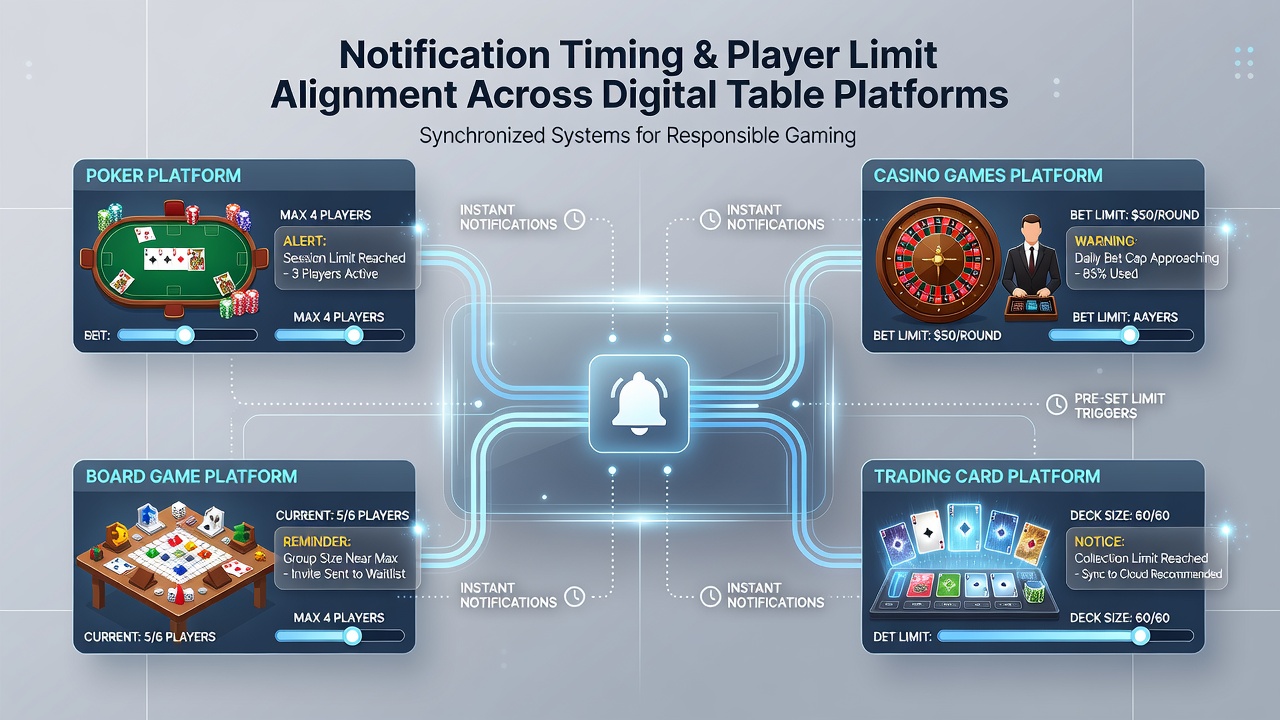
Notifications reach users through in-app pop-ups, push messages, and email summaries, and timing depends on the proximity to an active limit. Systems send initial alerts at fixed percentages of limit consumption, followed by more frequent updates as the threshold approaches, while platforms adjust frequency to avoid user fatigue. Studies of platform architectures reveal that real-time engines calculate remaining allowances every few seconds during active play, which enables precise delivery of messages at moments when users can act on the information.
Those who have examined code structures on leading platforms report that conditional logic determines whether a notification appears before a hand starts, during betting rounds, or immediately after a round concludes. This sequencing prevents disruption during critical decision points yet ensures users receive updates before limits fully engage and suspend further activity.
Alignment Patterns Across Major Platforms
Platforms achieve alignment by mapping notification triggers directly to the same data points used for limit enforcement, and this mapping occurs through shared application programming interfaces that update both functions from a single source. One study revealed that operators in North America and Europe standardize these mappings to reduce discrepancies between alert timing and actual limit activation, which minimizes user confusion when multiple games run concurrently.
What's interesting is how some systems incorporate buffer periods, sending a final notification 30 seconds before a limit takes effect and then confirming the restriction once it activates. Researchers discovered that this buffer improves user comprehension of the transition from active play to restricted status across digital table environments.
Regulatory Influences on Synchronization
Regulatory bodies in multiple jurisdictions require documented evidence that notifications precede limit enforcement by sufficient intervals, and operators must demonstrate this through testing logs submitted during licensing reviews. Figures from the Nevada Gaming Control Board show increased scrutiny on timing accuracy during 2026 audits, while similar expectations appear in guidelines from Australian state regulators. Platforms respond by embedding timestamp verification within their notification engines to confirm compliance during live operations.
Take one operator who adjusted notification cadence after feedback from compliance reviews, and the change aligned alerts more closely with daily reset schedules used for loss limits. This adjustment occurred without altering the underlying limit values themselves.
Technical Implementation Examples
Leading platforms employ event-driven architectures that queue notifications based on limit consumption rates, and these queues prioritize messages when multiple limits near activation simultaneously. Data indicates that such prioritization favors time-based limits over deposit ones during peak table game hours, because session timers often influence player decisions more directly than cumulative spending figures. Observers note that testing environments replicate live traffic patterns to validate that notification sequences match limit enforcement exactly.
Platforms also integrate these systems with responsible gaming dashboards that display current status alongside historical data, and users access both views from the same menu. This integration ensures that any notification about an approaching limit links directly to the dashboard for immediate review of remaining allowances.
Conclusion
Coordination between notification timing and player limit tools continues to evolve through refinements in data synchronization and regulatory expectations, and platforms operating digital table environments maintain these alignments to support consistent user experiences across regions. Evidence from 2026 shows ongoing adjustments in timing intervals and cross-game aggregation as operators respond to updated compliance standards.