Patterns Emerging When Promotional Incentives Align With Behavioral Controls in Portable Card Environments
Zoe Jenkins · Jul 16, 2026

Patterns Emerging When Promotional Incentives Align With Behavioral Controls in Portable Card Environments
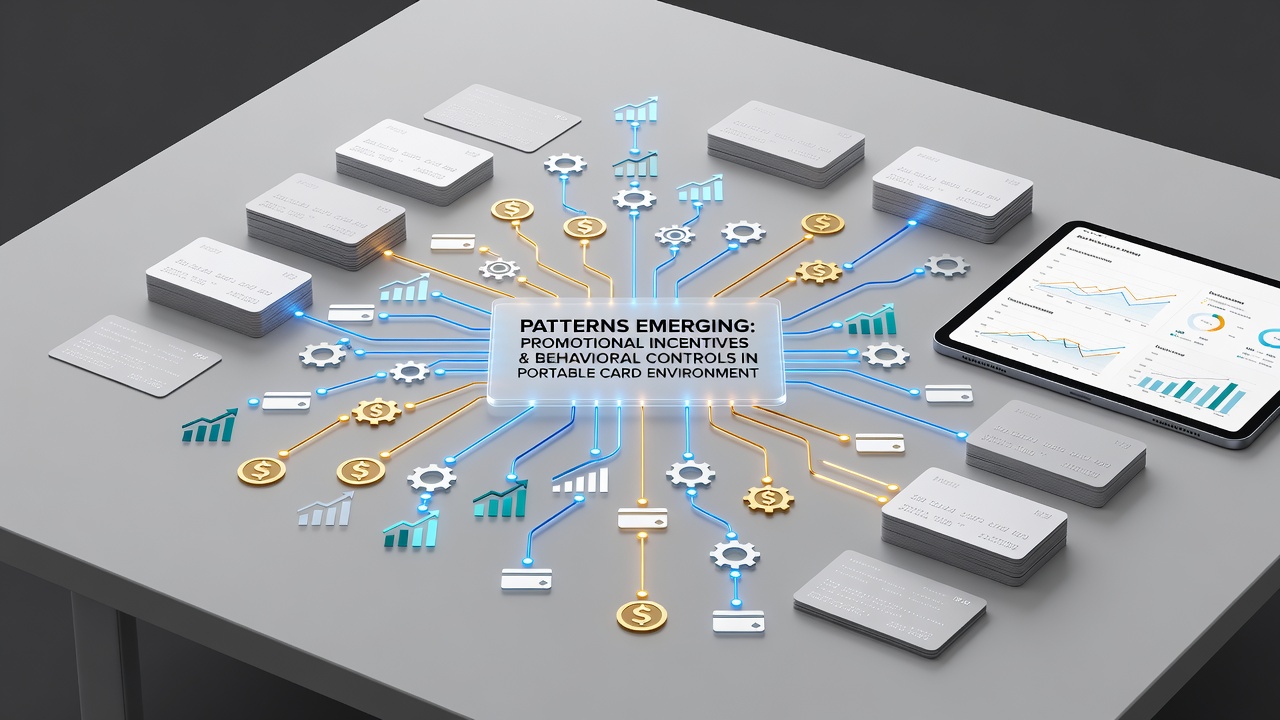
Portable card environments on mobile devices continue to show distinct patterns when promotional incentives integrate directly with behavioral controls, and data from multiple jurisdictions highlights how deposit bonuses, loyalty multipliers, and time-limited offers operate alongside automated limits on spending, session duration, and loss thresholds. Operators in regulated markets deploy these alignments through app architectures that adjust incentive triggers based on real-time user metrics, creating observable sequences where bonus eligibility prompts coincide with control activation points.
Core Mechanisms in Mobile Card Platforms
Promotional structures in digital card rooms typically include matched deposits that unlock at specific wagering volumes while behavioral tools enforce daily or weekly caps that users set or regulators require. When these elements align, systems detect when a player approaches a spending threshold and automatically surface a bonus offer that extends play within the existing limit rather than pushing beyond it. Research from platform analytics indicates this coordination occurs most frequently in blackjack and poker variants where session timers reset upon acceptance of a capped incentive, thereby extending engagement without altering the control parameters.
Those who track mobile wagering data note that July 2026 updates to several major card apps introduced synchronized notification layers, where a player reaching 80 percent of a self-imposed loss limit receives both a control reminder and an incentive tied to responsible play milestones. This dual presentation appears in aggregated reports from operators across North American and Australian markets, showing consistent timing intervals between incentive display and control enforcement.
Data Patterns Across Regulated Markets
Figures from state-level monitoring programs reveal correlations between aligned incentive-control systems and retention metrics in portable card environments. In jurisdictions with mandatory limit-setting features, players who interact with both bonus prompts and spending caps demonstrate longer average session lengths yet lower instances of exceeding predefined thresholds compared to platforms without such integration. Observers note that these patterns hold across device types, with iOS and Android implementations producing similar distribution curves in weekly activity logs.
Examples from Operational Deployments
One documented case involves a Nevada-licensed poker application that linked reload bonuses to biometric-verified break reminders, resulting in recorded increases in completed sessions that stayed under daily deposit caps. Similar mechanics appear in Canadian provincial apps where loyalty points accrue only after users confirm adherence to time-based controls, producing measurable upticks in repeat logins without corresponding rises in voluntary limit increases. Researchers analyzing these deployments report that the alignment reduces friction between promotional uptake and control usage, allowing both features to activate within the same user flow.
Regulatory Context and Implementation Standards
Regulatory bodies such as the New Jersey Division of Gaming Enforcement have outlined expectations for how mobile platforms must log interactions between incentives and controls, requiring timestamped records that demonstrate non-conflicting operation. In parallel, industry reports from the Nevada Gaming Control Board document testing protocols that verify bonus systems do not override or delay control responses during July 2026 compliance reviews. These standards emphasize audit trails that capture when an incentive offer appears relative to limit warnings, enabling pattern identification across large user bases.
Academic analyses from institutions studying digital gambling environments further map how algorithmic thresholds determine incentive eligibility based on prior control usage, with one University of Nevada study tracking sequences where players who activated spending caps received proportionally higher bonus values on subsequent deposits. The data shows these adjustments occur through backend rules that reference historical session data rather than real-time overrides, maintaining separation between promotional and control functions.
Emerging Sequences in User Interaction Logs
Platform telemetry collected through mid-2026 indicates recurring sequences where promotional banners trigger immediately after a control confirmation screen closes, followed by an optional extension period that respects the original limit. Such patterns appear more pronounced in environments supporting multi-hand card games, where bonus rounds align wth automated cool-down intervals. Those examining retention data find that players encountering these aligned flows return at rates comparable to unrestricted bonus systems yet maintain adherence to their chosen parameters at higher frequencies.
Cross-market comparisons reveal geographic variations in implementation speed, with North American apps incorporating biometric confirmations for control changes ahead of some European counterparts during the same period. The consistent element across regions remains the backend synchronization that prevents incentive delivery from extending beyond active limits, producing stable operational patterns in portable card environments.
Conclusion
Patterns emerging from aligned promotional incentives and behavioral controls in portable card environments reflect coordinated system design that integrates bonus triggers with limit enforcement across mobile platforms. Data from regulatory monitoring, operator reports, and academic tracking through July 2026 continues to document these alignments through timestamped interactions and retention metrics, showing measurable sequences in how users engage with both features simultaneously. Continued observation of these mechanics across jurisdictions provides ongoing insight into how such integrations function within regulated digital card ecosystems.