Reel Platform Mechanics: Coordinating Jackpot Algorithms with Self-Exclusion Data Streams
Finley Lorenz · Aug 8, 2026

Reel Platform Mechanics: Coordinating Jackpot Algorithms with Self-Exclusion Data Streams
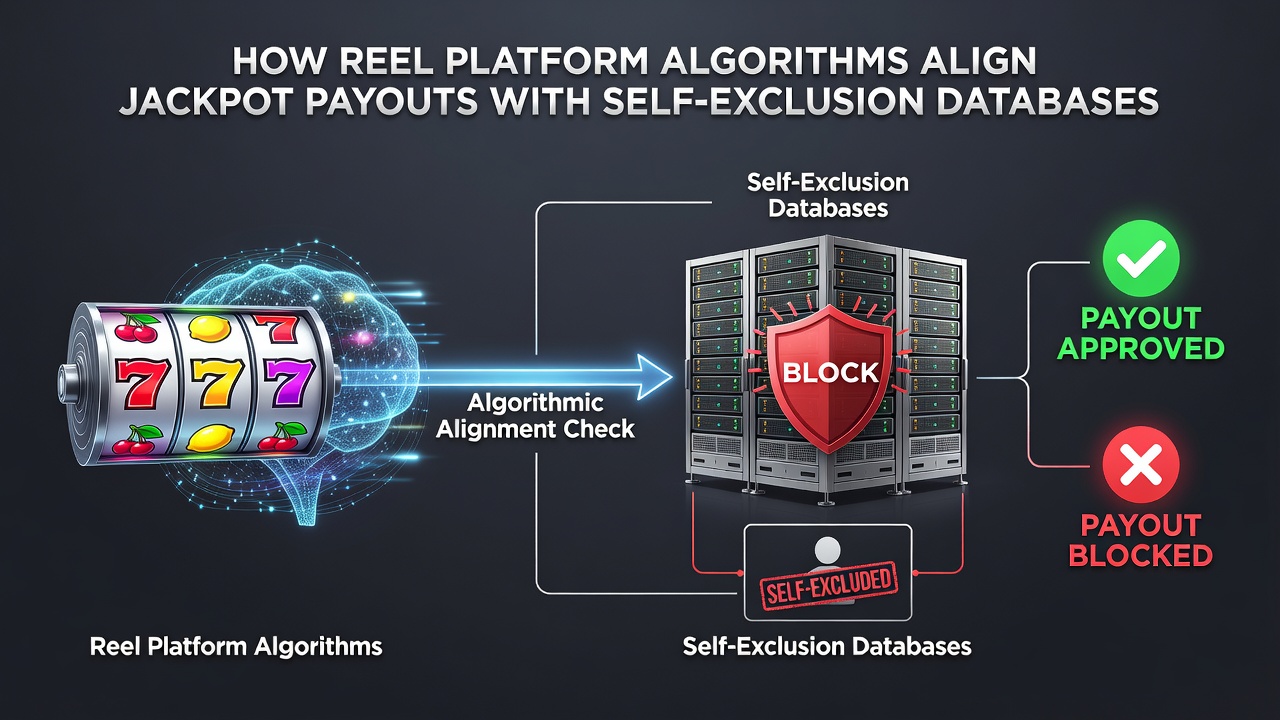
Reel platforms process jackpot triggers through layered algorithmic checks that cross-reference active self-exclusion records before any payout authorization occurs. These systems operate across networked slot environments where progressive and fixed jackpots accumulate value from player wagers, yet they must halt distributions the moment an account matches an exclusion entry. Data synchronization happens via secure API connections that query centralized registries maintained by regulatory bodies and operators.
Core Algorithmic Processes in Reel Environments
Algorithms examine player identifiers at the point of jackpot qualification, pulling records from databases that store voluntary exclusion periods ranging from months to lifetime bans. When a match appears, the platform routes the session into a hold state while compliance teams review the account status, and this prevents funds from reaching excluded individuals. Studies from the National Council on Problem Gambling indicate that automated flags reduce unauthorized claims by integrating timestamped exclusion data with real-time wager logs.
Threshold settings within the code determine how often queries run during high-volume play periods, with some platforms executing checks every few seconds during bonus rounds that could escalate to jackpot levels. Operators in multiple jurisdictions report that these routines rely on hashed player data to maintain privacy while confirming eligibility across state lines or provincial borders.
Regulatory Requirements Across Jurisdictions
August 2026 updates from the Nevada Gaming Control Board highlighted mandatory integration protocols that require reel platforms to maintain redundant database mirrors for self-exclusion lists, ensuring continuity during network outages. Similar standards appear in Canadian provincial frameworks where the Alcohol and Gaming Commission of Ontario mandates daily reconciliation between operator systems and the provincial registry. These rules extend to progressive jackpot networks that span multiple sites, forcing algorithms to validate every participant against exclusion flags before adding contributions or releasing wins.
Technical Synchronization Methods
Platforms use event-driven architectures that trigger database lookups upon jackpot meter hits above predefined amounts, typically starting at thresholds like $10,000 or higher depending on local rules. The process incorporates encryption standards such as AES-256 for data transit, while audit logs record every query result for subsequent regulatory review. One study released by the Responsible Gambling Council in Canada documented how such alignments reduced payout disputes involving excluded players by measurable percentages across tested sites.
Batch updates occur overnight to refresh exclusion lists with new entries or revocations, yet live queries handle immediate verifications when sessions remain active. This dual approach balances processing load with accuracy, and developers adjust query frequency based on traffic patterns observed in peak evening hours across different time zones.
Implementation Examples from Operators
Take the case of a multi-state operator in the United States that links its reel network to both state-run exclusion databases and an internal risk engine; the system pauses any jackpot above $50,000 until a secondary confirmation clears the account. Reports from the American Gaming Association show that similar setups now cover an increasing share of commercial gaming floors where digital reels operate alongside physical machines.
Another implementation in Australia connects reel platforms directly to the national self-exclusion service managed through state gambling authorities, allowing algorithms to block transfers even when players attempt to claim wins through third-party payment processors. These connections rely on standardized data fields including date of birth, account identifiers, and exclusion start and end dates.
Challenges in Data Alignment and Scalability
Latency issues arise when exclusion databases experience high query volumes during major sporting events or promotional periods, prompting developers to implement caching layers that store recent negative results without compromising security. Observers note that cross-border operations face additional complexity because exclusion periods and reinstatement criteria differ by region, requiring algorithms to apply jurisdiction-specific logic before finalizing any payout decision.
Researchers at various institutions continue to examine how machine learning models might predict exclusion violations more accurately by analyzing betting velocity alongside database matches, though current deployments stick primarily to deterministic checks. Figures from industry reports reveal steady increases in the number of self-exclusion records processed annually, underscoring the growing scale these algorithms must handle.
Conclusion
Reel platform algorithms maintain alignment with self-exclusion databases through continuous verification protocols, regulatory mandates, and technical redundancies that together form a functional barrier against unauthorized jackpot distributions. As networks expand and data volumes grow, these systems adapt via refined query mechanisms and regional compliance layers that keep operations consistent with evolving standards in multiple markets.