The Synchronization of Biometric Feedback Loops with Real-Time Decision Trees in Digital Card Room Environments
Vera Jenkins · May 23, 2026
The Synchronization of Biometric Feedback Loops with Real-Time Decision Trees in Digital Card Room Environments
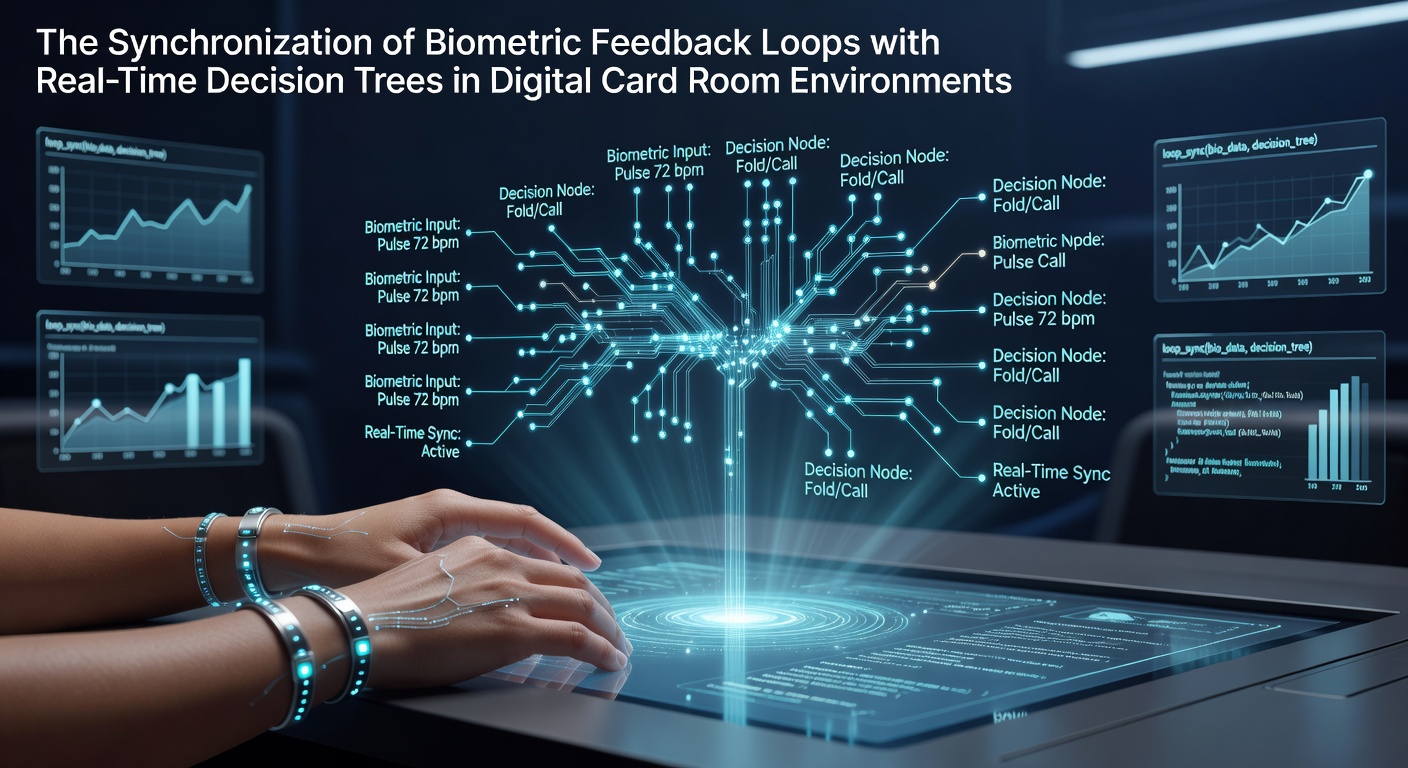
Systems that combine biometric feedback loops with real-time decision trees have entered digital card room platforms as operators seek to monitor player states during live sessions. These setups collect physiological signals such as heart rate variability and skin conductance through wearable devices or camera-based systems, then feed the data into decision tree algorithms that classify responses and trigger automated adjustments to game parameters or alerts. Observers note that the feedback loop operates continuously, updating every few seconds while the decision tree evaluates branching conditions based on thresholds established during system calibration. When a player's biometric readings cross a predefined limit the tree routes the input to a specific outcome, which might include a temporary slowdown in betting pace or a notification to floor staff in hybrid environments.Core Components of the Technology
Biometric sensors capture raw signals that software normalizes against individual baselines, allowing the system to distinguish between routine fluctuations and notable deviations. Decision trees then process these normalized values through sequential nodes that test conditions such as elevated arousal combined with rapid decision speed.
Researchers at several institutions have documented how these trees reduce false positives by incorporating multiple variables in each split, including session duration and historical patterns for that account. Data from controlled trials indicate accuracy rates above 85 percent when the trees receive inputs from at least three synchronized biometric channels.
Implementation in Digital Card Rooms
Digital card rooms integrate the synchronized system at the server level so that every table session receives the same processing rules regardless of player location. The architecture separates data ingestion from decision execution, which permits operators to update tree structures without interrupting ongoing games.
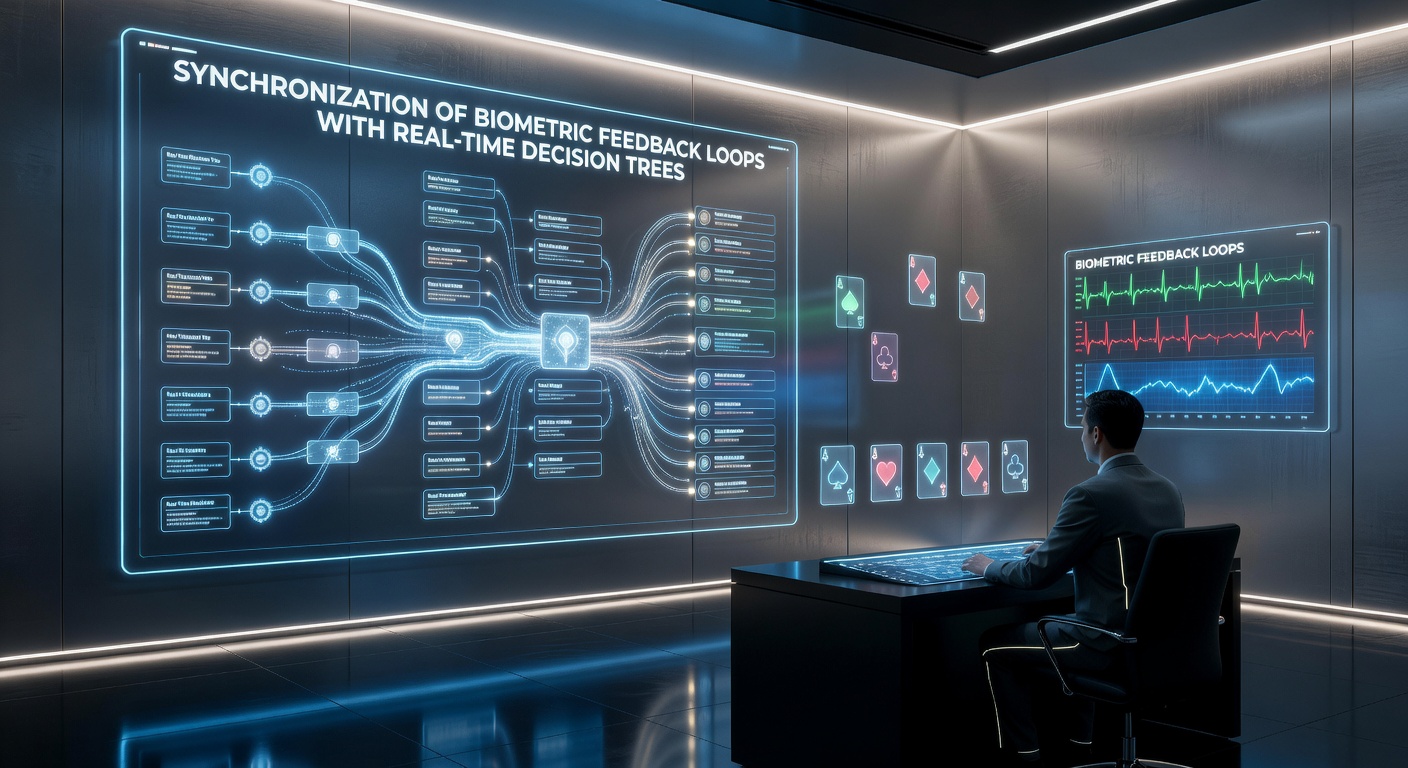
In May 2026 several platforms began pilot deployments that linked biometric streams directly to responsible gaming modules, enabling automatic session pauses when the decision tree identified sustained high-stress patterns. These pilots followed guidelines issued by the Nevada Gaming Control Board, which requires audit logs of every tree traversal that affects player experience.
Regulatory and Industry Context
Regulators in multiple jurisdictions have examined how biometric-decision tree systems align with existing player protection standards. The Australian Communications and Media Authority published technical notes in early 2026 that outline data retention limits for biometric streams used in wagering environments.
Industry associations such as the European Gaming and Betting Association have compiled case studies showing that synchronized systems can flag potential collusion indicators when biometric signatures match across accounts during the same hand sequences. These studies draw from anonymized datasets supplied by operators in regulated markets.
Technical Challenges and Performance Metrics
Latency remains a primary constraint because biometric sampling and tree evaluation must complete within the time window between betting actions. Engineers address this by pruning decision trees to limit depth while preserving classification power, a technique validated in reports from the Responsible Gambling Council of Canada.
Hardware variability introduces additional complexity, as different sensor models produce signal noise that the normalization layer must filter before tree input. Field tests conducted across platforms in 2025 revealed that adaptive calibration routines lowered error rates by 12 percent compared with static baselines.
Future Integration Patterns
Developers continue to explore multi-tree ensembles that run parallel evaluations on separate biometric subsets, then combine outputs through weighted voting before executing actions. This approach allows finer control over interventions such as chat restrictions or stake adjustments while maintaining compliance with platform rules.
Academic papers indexed in 2026 describe prototype systems that incorporate reinforcement learning to refine tree thresholds based on aggregated outcomes across thousands of sessions, though widespread adoption still depends on further regulatory clarification in key markets.
Conclusion
The synchronization of biometric feedback loops with real-time decision trees represents a measurable advancement in the operational toolkit available to digital card room operators. Current deployments demonstrate that these systems can process physiological data at scale while adhering to regional oversight requirements, and ongoing technical refinements continue to expand their precision and reliability across regulated environments.