Tracing the Development of Educational Modules on Risk Awareness Within Live Dealer Interfaces
Leon Klein · Aug 25, 2026
Tracing the Development of Educational Modules on Risk Awareness Within Live Dealer Interfaces
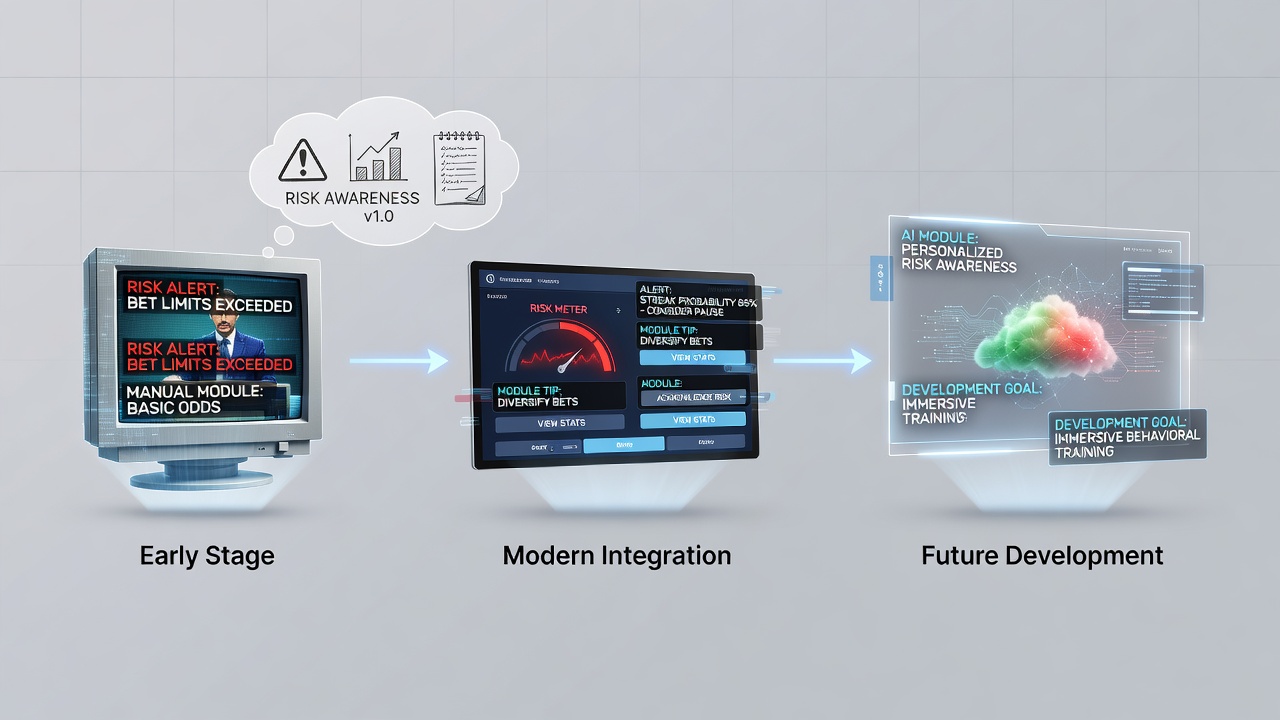
Live dealer platforms first began incorporating structured risk awareness modules in the mid-2010s as operators responded to regulatory pressure from bodies including the Malta Gaming Authority and the Nevada Gaming Control Board; these early tools focused on basic session timers and deposit limit prompts that appeared at fixed intervals during blackjack and roulette sessions.
Developers quickly moved beyond static pop-ups because player data revealed that interactive elements produced higher engagement rates, so companies introduced short quiz formats that asked users to identify signs of escalating wager patterns before they could continue play, and this shift marked the initial transition from passive warnings to active learning sequences.
Foundational Research and Prototype Testing
Researchers at several European institutions conducted controlled trials between 2017 and 2019 that compared completion rates of different module designs, and findings indicated that modules using real-time dealer video overlays alongside decision trees achieved better retention than text-only versions, while operators in regulated markets such as New Jersey and Ontario began requiring these prototypes as part of licensing renewals.
By 2020 the focus expanded to include biometric signals where available, yet privacy rules limited widespread adoption, so most platforms instead emphasized behavioral tracking through bet frequency and velocity metrics that triggered tailored educational content mid-session.
Integration Milestones Through 2024
Platform providers rolled out standardized risk awareness libraries in 2022 that allowed operators to customize language and timing without rebuilding core interfaces, and these libraries drew on datasets from the Australian Gambling Research Centre that highlighted peak vulnerability periods during extended live dealer sessions, so modules began surfacing dynamic probability reminders when users exceeded pre-set thresholds.
Case studies from several major studios showed that adding branch narratives—short choose-your-own-adventure style sequences about bankroll management—reduced voluntary session extensions by measurable margins in test groups, and regulators in multiple jurisdictions took note of these outcomes when drafting updated compliance guidelines.
Advances in 2025 and August 2026 Updates
Throughout 2025 developers refined adaptive algorithms that adjusted module difficulty based on prior completion history, and this personalization coincided with broader industry adoption of unified reporting standards that tracked module interaction alongside responsible gambling metrics, according to reports issued by the European Gaming and Betting Association.

In August 2026 several leading platforms introduced version 4.0 modules that embedded short explanatory videos from certified counselors directly into the dealer stream without disrupting gameplay flow, and these updates responded to new technical specifications released by Canadian provincial regulators that emphasized seamless integration rather than separate pop-up windows.
Testing across multiple sites confirmed that users who completed the updated sequences demonstrated improved accuracy when estimating house edge in real time, while operators reported smoother audit trails because every interaction logged automatically into centralized compliance dashboards.
Technical Architecture and Content Delivery
Modern modules operate through modular APIs that pull live game data such as average bet size and table duration, then cross-reference this information against predefined risk matrices before selecting the appropriate educational branch, and this architecture allows the same core content to appear differently across roulette, baccarat, and blackjack environments without requiring separate development cycles.
Content libraries now include localized examples that reference regional currency values and cultural contexts, so players in different markets encounter scenarios that feel immediately relevant rather than generic, and translation teams work with linguists to preserve decision-tree logic across languages.
Future Directions Observed by Industry Observers
Observers note that forthcoming iterations will likely incorporate augmented reality overlays that display risk indicators directly on physical table surfaces during hybrid live-stream events, yet current technical standards still prioritize accessibility across standard mobile browsers and set-top devices, and several academic groups continue to publish peer-reviewed evaluations of module effectiveness using anonymized platform datasets.
Those who have studied longitudinal player behavior point to consistent patterns where repeated exposure correlates with voluntary limit-setting actions, and industry groups continue to refine measurement frameworks that separate correlation from causation in these outcomes.
Conclusion
The progression from basic timers to sophisticated, context-aware educational sequences reflects ongoing collaboration among regulators, platform developers, and research organizations across multiple continents, and continued refinement through 2026 suggests these modules will remain a central component of live dealer compliance strategies as new markets open and technology evolves.