When Sound Design Meets Wagering Habits in App-Driven Casino Experiences
Zoe Jenkins · Jun 30, 2026
When Sound Design Meets Wagering Habits in App-Driven Casino Experiences
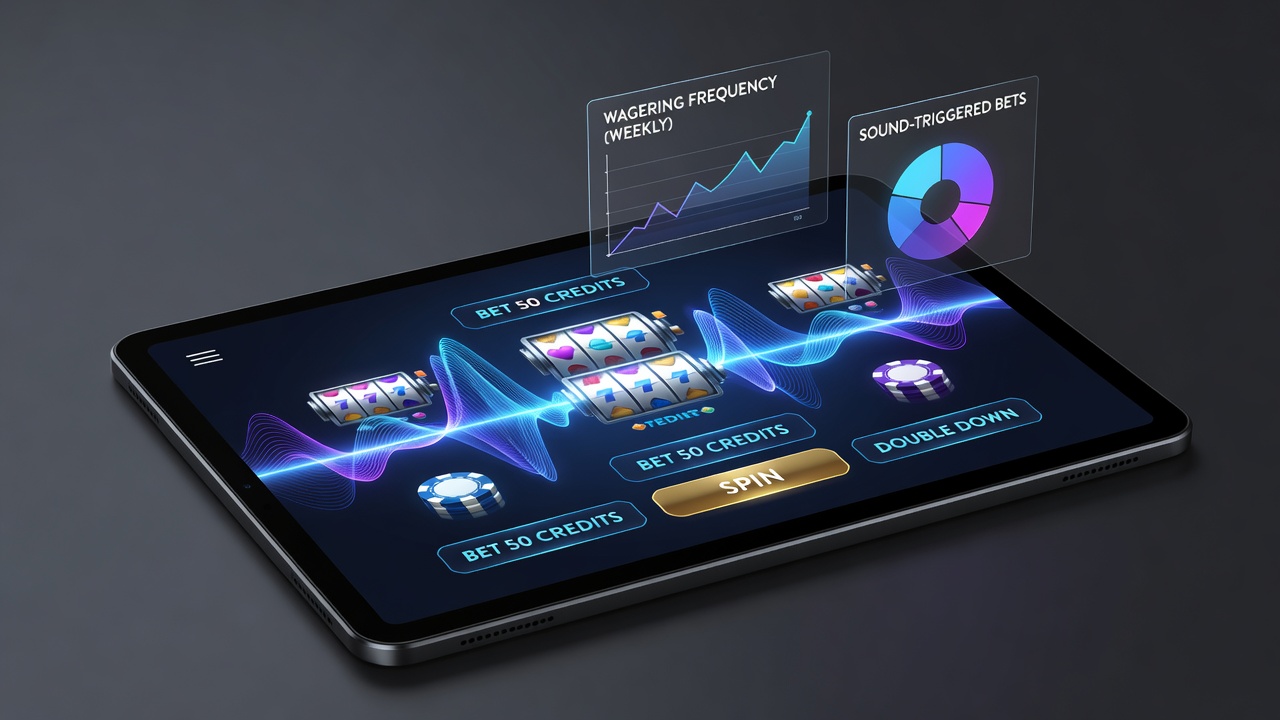
App-driven casino platforms integrate audio layers that respond directly to user actions, creating feedback loops between sound cues and betting patterns. Developers layer ambient tracks, win chimes, and near-miss tones that adjust in real time based on session data collected from millions of daily interactions. These systems draw from behavioral tracking metrics that show how specific frequencies correlate with extended play intervals and increased average wager amounts across user cohorts.Audio Architecture in Modern Wagering Applications
Engineers design soundscapes using modular audio engines that trigger based on algorithmic thresholds tied to bet size, game type, and player tenure. Background music often incorporates low-frequency pulses that maintain engagement during slower periods, while high-pitched celebratory effects accompany payouts to reinforce positive outcomes. Data from platform telemetry reveals that users exposed to synchronized audio-visual win sequences place follow-up bets within shorter timeframes compared to sessions without those cues.
Researchers at institutions studying digital entertainment have documented how progressive sound intensity escalates alongside jackpot meters on networked reel games. This approach connects auditory progression directly to the mathematical distribution of prizes, guiding attention toward accumulating values without requiring visual focus alone. Observers note that such designs appear across both iOS and Android deployments, adapting dynamically to device volume settings and user-selected accessibility options.
Behavioral Correlations and Session Metrics
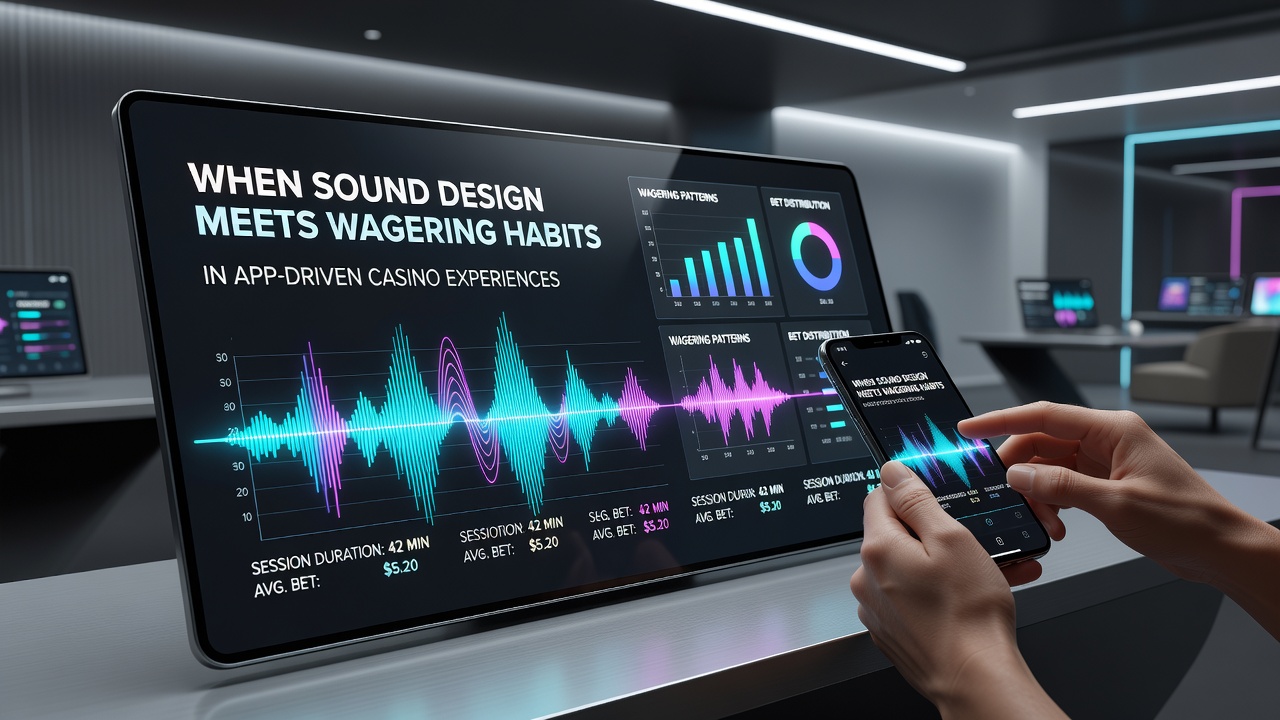
Analytics firms compiling anonymized usage statistics report measurable shifts in wagering frequency when certain audio profiles activate. For instance, escalating tension tones during bonus rounds align with higher bet multipliers selected by participants in the same session. These patterns emerge consistently in datasets covering North American and European markets, where regulatory reporting requires operators to log engagement indicators alongside financial transactions.
Platforms also employ adaptive mixing that lowers background volume during high-stakes decisions, allowing sharper focus on confirmation sounds for each placed wager. Studies examining retention curves indicate that players encountering consistent audio branding across multiple game titles demonstrate longer overall account activity spans. This synchronization occurs through centralized sound libraries updated periodically by development teams responding to aggregated performance indicators.
Integration with Broader Platform Systems
Sound design teams collaborate with data scientists to align audio triggers with risk-management algorithms already monitoring deposit velocity and play duration. When systems detect extended sessions, certain reward tones may attenuate while neutral ambient tracks continue, creating subtle shifts that operators track through A/B testing frameworks. This coordination extends to live dealer environments where card room audio streams blend with synthetic effects generated by the app layer.
As of June 2026, several major operators have incorporated haptic-audio pairings that vibrate in rhythm with win notifications, further embedding sensory feedback into the decision cycle. Industry reports from groups such as the American Gaming Association document rising adoption of these multimodal features across regulated markets. Separate analyses from academic outlets like the Journal of Gambling Studies examine how these elements interact with established patterns of habit formation observed in digital environments.
Technical Implementation Across Jurisdictions
Compliance requirements in various regions mandate that audio elements remain optional or adjustable, allowing users to mute specific categories while preserving core game functionality. Developers therefore build modular toggles that segment celebratory sounds from ambient tracks, ensuring flexibility without disrupting the underlying betting engine. Cross-border platforms maintain region-specific audio variants that reflect local cultural preferences for musical scales and effect palettes.
Testing protocols involve large-scale user panels that provide quantitative feedback on perceived influence of different frequency ranges. These evaluations feed into iterative updates released through standard app store channels, maintaining consistency with hardware capabilities of recent smartphone models. Engineers prioritize low-latency delivery so that audio responses coincide precisely with wager confirmations and outcome revelations.
Conclusion
Sound design within app-driven casino experiences operates as an integrated component of broader wagering ecosystems, linking auditory signals to measurable user actions through continuous data refinement. Platform operators track these connections via established analytics pipelines while adhering to jurisdictional standards that govern feature transparency. The ongoing evolution of these systems reflects technical advancements in audio processing alongside detailed examination of engagement metrics collected across diverse user bases.